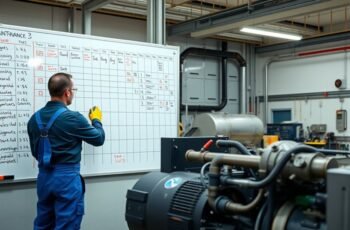
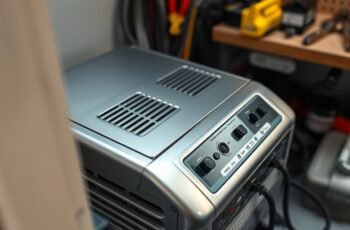
Imagine your inverter generator humming steadily, each component working in harmony to deliver reliable power. Maintaining this balance requires precise attention to key areas like spark plugs, filters, and electrical connections. Small issues can escalate quickly, risking unexpected failures and costly repairs. To keep your generator performing at its best, understanding the core repair tips and maintenance practices becomes essential—a vital step toward minimizing downtime and ensuring long-term efficiency.
Key Takeaways
- Regularly inspect and replace spark plugs and air filters to ensure engine reliability and stable power output.
- Monitor output voltage for fluctuations indicating regulation issues or overload conditions.
- Check cooling system components, including vents and fans, to prevent overheating and maintain optimal performance.
- Address abnormal noises or vibrations promptly to prevent further damage and ensure quiet operation.
- Seek professional repair if experiencing persistent startup, power, or noise issues beyond basic troubleshooting.
Diagnosing Common Inverter Generator Problems
When diagnosing common inverter generator problems, it’s essential to systematically identify the root causes to guarantee accurate repairs. Voltage fluctuation often signals issues with the voltage regulation system or overloading, which can compromise power stability. We carefully monitor output voltage levels and check for irregularities that may indicate faulty components. Noise reduction is another critical aspect; excessive noise may point to loose parts, worn bearings, or cooling system failures. By inspecting these areas methodically, we can determine if abnormal vibrations or noise are impacting performance. Precise diagnosis allows us to address underlying problems efficiently, ensuring the inverter maintains a stable voltage output and runs quietly. This approach minimizes downtime and prevents further damage, leading to more reliable operation.
Checking and Replacing Spark Plugs and Filters
After diagnosing voltage fluctuations and abnormal noises, inspecting and maintaining key engine components becomes a priority. Spark plug replacement is vital for ideal combustion, ensuring efficient fuel ignition and smooth operation. Remove the spark plug carefully, check for signs of wear or carbon buildup, and replace if necessary with the correct type and gap setting. Simultaneously, filter cleaning is critical to prevent debris from restricting airflow and reducing engine performance. Remove the air filter, inspect for dirt or damage, and clean with compressed air or replace if heavily soiled. Regularly checking and replacing spark plugs, along with thorough filter cleaning, maintains engine reliability and prolongs generator lifespan. Precise attention to these components ensures consistent power output and reduces the risk of future malfunctions.
Troubleshooting Power Output Issues
Power output issues in inverter generators often stem from electrical or mechanical faults that disrupt the flow of current or impair component function. To troubleshoot effectively, focus on these key areas:
Inverter generator power issues often arise from electrical or mechanical faults disrupting current flow.
- Battery maintenance: Confirm the battery is charged, terminals are clean, and connections are secure. A weak or faulty battery can cause inconsistent power output.
- Voltage regulation: Verify the inverter’s voltage regulator is functioning correctly; malfunction can lead to fluctuations or reduced power.
- Noise reduction and mechanical health: Excessive noise may indicate worn components or imbalance, affecting the generator’s efficiency. Regular inspection helps identify issues early.
Addressing these factors guarantees stable power output, prolongs unit lifespan, and maintains peak performance.
Understanding Fuel System Maintenance
Maintaining the fuel system is essential for consistent inverter generator performance, especially when troubleshooting power output issues. Ensuring fuel quality is critical; contaminated or degraded fuel can cause misfires and reduce efficiency. Regularly inspect fuel for sediment, moisture, or deterioration, and replace it if necessary. Carburetor cleaning is a crucial maintenance step, as varnish and debris can clog jets and passages, impairing fuel flow. Use appropriate cleaning agents and tools to carefully disassemble and clear the carburetor. Additionally, always use fresh, stabilized fuel and avoid leaving fuel in the system for extended periods. Proper fuel system maintenance minimizes the risk of fuel delivery problems, optimizes performance, and prolongs the lifespan of your inverter generator.
Inspecting and Repairing Electrical Components
Inspecting electrical components is a critical step in diagnosing inverter generator issues, as faulty connections or damaged parts can substantially impair performance. We focus on examining electrical wiring for corrosion, loose connections, or wear, verifying continuity with a multimeter. Next, we inspect the circuit board for signs of burnt components, broken traces, or corrosion that could disrupt current flow. Finally, verify the integrity of all solder joints and connectors, resealing or replacing any compromised parts.
Inspect electrical wiring and circuit boards carefully to ensure reliable inverter generator performance.
Key steps include:
- Testing electrical wiring for continuity and insulation integrity.
- Inspecting the circuit board for physical damage, corrosion, or burnt components.
- Confirming all connections and solder joints are secure and free of corrosion.
Accurate diagnosis of electrical components prevents further damage and ensures reliable operation.
Maintaining Proper Ventilation and Cooling
Have you considered how essential proper ventilation and cooling are to inverter generator performance? Efficient ventilation airflow prevents overheating and guarantees ideal operation. Regular cooling fan maintenance removes dust and debris that can obstruct airflow, reducing cooling efficiency. Proper airflow management maintains consistent temperature levels, prolonging component lifespan.
| Aspect | Maintenance Tip |
|---|---|
| Ventilation airflow | Ensure vents are unobstructed |
| Cooling fan | Clean blades and check for wear |
| Air filters | Replace as recommended |
| Exhaust system | Inspect for blockages |
| Temperature sensors | Calibrate periodically |
Maintaining these elements guarantees stable operation, minimizes breakdowns, and extends the inverter generator’s service life. Proper airflow and cooling are critical for reliable performance.
When to Seek Professional Repair Services
Despite routine troubleshooting, there are instances when professional repair services become essential to guarantee safe and accurate diagnostics. Unusual generator noise, persistent startup issues, or inconsistent power output indicate underlying problems requiring expert intervention. Additionally, if you notice abnormal generator noise during operation or suspect a faulty battery, professional diagnosis guarantees safety and prevents further damage. We recommend seeking professional assistance when:
- The generator produces excessive noise or vibrations that cannot be resolved through basic maintenance.
- Battery replacement is needed but shows signs of corrosion or failure, risking electrical issues.
- Troubleshooting does not resolve issues related to power fluctuations or unexplained shutdowns, indicating internal component failure.
Engaging professionals guarantees precise repairs, safeguarding your inverter generator’s longevity and performance.
Preventative Tips for Long-Term Generator Performance
Implementing preventative maintenance practices can markedly extend the lifespan and reliability of your inverter generator. Regular inspections should include checking fluid levels, inspecting spark plugs, and cleaning air filters to prevent buildup that can impair performance. Safety precautions are essential during maintenance; always disconnect the power source and wear appropriate protective gear. Additionally, adhering to manufacturer guidelines helps preserve warranty coverage—neglecting recommended maintenance can void warranties and lead to costly repairs. Storage should be in a dry, well-ventilated area, and periodic testing ensures operational readiness. Consistent maintenance not only reduces unforeseen breakdowns but also maintains peak efficiency over time. By following these preventative tips, you safeguard your investment and ensure dependable power whenever needed.
Frequently Asked Questions
How Often Should I Perform Inverter Generator Maintenance?
We recommend performing inverter generator maintenance every 50-60 hours of operation to maximize fuel efficiency and noise levels. Regular checks ensure peak performance, prevent breakdowns, and extend your generator’s lifespan.
What Are Common Signs of Inverter Generator Failure?
We notice inverter generator failure signs through drastic drops in fuel efficiency, unusual noise levels, and inconsistent power output, indicating internal issues. Addressing these promptly guarantees ideal noise reduction and maintains peak performance.
Can I Repair My Inverter Generator Myself?
We can repair your inverter generator ourselves if we’re technically skilled, focusing on fuel efficiency and noise reduction. Proper diagnosis and precise component replacement guarantee peak performance, but caution and proper tools are essential to avoid further damage.
What Tools Are Necessary for Inverter Generator Repairs?
We use essential tools like a socket set, screwdrivers, and pliers, along with specialized items such as a fuel filter wrench and spark plug socket, to accurately replace or inspect components during inverter generator repairs.
How Do I Safely Store My Inverter Generator During Off-Season?
We store our inverter generator during off-season by stabilizing the fuel, disconnecting the battery for maintenance, and placing it in a cool, dry location. Regular checks guarantee ideal performance and longevity when restarting.
Conclusion
Regular maintenance is key to keeping your inverter generator running smoothly, and we recognize it might seem intimidating at first. However, many issues can be quickly diagnosed and resolved with simple inspections and routine checks. By staying proactive and following these tips, you’ll minimize downtime and extend your generator’s lifespan. Investing a little time now guarantees reliable power when you need it most, making the effort well worth it for long-term performance and peace of mind.