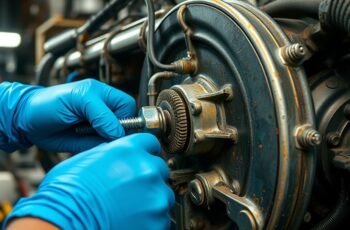
When it comes to inverter generators, the question isn’t if problems will occur, but when. We recognize that issues like electrical overloads, fuel system blockages, and cooling failures can disrupt operations and compromise reliability. Identifying these common faults early is vital, yet the causes can be complex and sometimes elusive. To keep your generator running smoothly, it’s important to recognize the signs and understand the underlying factors—details that could make all the difference in troubleshooting effectively.
Key Takeaways
- Electrical overloads can cause shutdowns and performance dips in inverter generators.
- Fuel system blockages from dirt or stale fuel may prevent the generator from starting.
- Cooling system failures lead to overheating and potential damage.
- Power fluctuations often result from unstable voltage regulation or external load changes.
- Strange noises may indicate muffler issues or vibration problems requiring maintenance.
What Are the Most Common Inverter Generator Problems?
Inverter generators, while reliable, are not immune to common issues that can impair their performance. Frequent problems include electrical overloads, fuel system blockages, and cooling system failures. To prevent these issues, proper maintenance tips—such as regular oil changes, cleaning air filters, and inspecting spark plugs—are essential. Troubleshooting techniques involve checking for loose connections, testing circuit breakers, and verifying fuel flow. Overloading the generator beyond its capacity often causes shutdowns or performance dips, highlighting the importance of understanding load limits. Additionally, dirt or debris accumulation can lead to overheating and reduced efficiency. Staying proactive with maintenance tips and troubleshooting methods helps guarantee consistent operation and minimizes downtime, safeguarding your investment and ensuring reliable power output.
Why Does My Inverter Generator Fail to Start?
When an inverter generator fails to start, the issue often stems from fuel supply problems, such as clogs or insufficient fuel, or from ignition system failures like battery or spark plug issues. Additionally, carburetor blockages can hinder proper fuel flow, preventing the engine from firing. Identifying which component is at fault requires careful inspection of these critical systems to restore reliable operation.
Fuel Supply Issues
Have you checked the fuel system lately? Fuel supply issues often cause inverter generators to fail to start. Fuel contamination from dirt or water can clog carburetors, preventing proper combustion. Fuel evaporation, especially in hot environments, results in stale or degraded fuel that reduces ignition reliability. To diagnose, consider these factors:
- Presence of water or debris in the fuel tank
- Fuel that appears cloudy, varnished, or separated
- Fuel that has sat unused for extended periods
- Signs of fuel evaporation, such as a weak or inconsistent start
Addressing these issues involves draining contaminated or stale fuel, cleaning the fuel system components, and refueling with fresh, stable gasoline. Proper maintenance ensures peak fuel delivery, preventing start-up failures related to fuel supply problems.
Battery or Spark Problems
Fuel issues can often be resolved by addressing contamination or stale fuel, but if your generator still won’t start, the problem may lie within the ignition system itself. Common causes include battery corrosion and spark plug issues, which disrupt the electrical flow necessary for ignition. Corrosion on terminals can prevent proper voltage transfer, while a fouled or worn spark plug hampers spark generation. Regular inspection of these components is critical. Below is a table outlining key diagnostic points:
| Issue | Symptom | Solution |
|---|---|---|
| Battery corrosion | Difficult or no engine start | Clean terminals, replace if necessary |
| Spark plug fouling | Misfiring, rough operation | Replace or clean spark plug |
| Spark gap mismatch | Poor ignition performance | Adjust or replace spark plug |
Carburetor Blockages
Could a simple clog in the carburetor be the reason your inverter generator won’t start? Carburetor blockages often result from fuel contamination, which causes varnish and debris buildup, restricting fuel flow. Oil leakage around the carburetor can also introduce contaminants, further impairing operation. A clogged carburetor prevents the proper mixture of air and fuel, leading to difficulty in starting or stalling.
Key issues include:
- Fuel contamination causing varnish deposits and debris accumulation
- Oil leakage that introduces impurities into the carburetor
- Varnish buildup restricting fuel passage
- Clogged jets and passages disrupting airflow and fuel delivery
Addressing these problems typically requires cleaning or rebuilding the carburetor to restore ideal performance.
How Can I Fix Power Fluctuations and Voltage Issues?
Power fluctuations and voltage inconsistencies in inverter generators often stem from internal or external electrical load variations, which can destabilize output stability. To address this, we focus on effective voltage regulation techniques that maintain consistent output despite fluctuating demands. Implementing advanced power stabilization methods, such as automatic voltage regulation (AVR), ensures the generator adjusts its voltage in real-time, minimizing fluctuations. Regularly inspecting connections and ensuring proper grounding can also prevent voltage dips caused by external factors. Upgrading or replacing aging components within the inverter circuitry may be necessary to improve overall voltage regulation. By maintaining ideal component performance and employing reliable power stabilization strategies, we can considerably reduce power fluctuations, ensuring stable, clean electricity suitable for sensitive electronic devices.
What Causes Overloading and How Can I Prevent It?
Overloading an inverter generator occurs when the connected electrical load exceeds its maximum rated capacity, causing the system to strain and potentially shut down or become damaged. This overload stresses the generator’s voltage regulation and compromises power capacity, risking system failure. Causes include sudden surges in demand, incompatible devices, or misjudged load sizes. To prevent overloading:
- Monitor total wattage to stay within rated capacity
- Use a load calculator for accurate power estimation
- Avoid connecting high-startup current appliances simultaneously
- Implement circuit protection devices like circuit breakers
Why Is My Inverter Generator Making Strange Noises?
Strange noises emanating from your inverter generator often indicate underlying mechanical or electrical issues that require prompt diagnosis. These noises can stem from inadequate noise insulation, causing vibrations to amplify sound, or from muffler deterioration. Over time, muffler components may degrade due to heat and exhaust exposure, leading to rattling or hissing sounds. Insufficient muffler maintenance can result in increased noise levels and reduced engine efficiency. It’s essential to inspect the muffler for cracks or blockages and ensure proper mounting to minimize vibrations. Addressing these issues early prevents further damage and maintains *ideal* noise levels. Regular muffler maintenance and checking noise insulation are key to diagnosing the source of strange sounds and *guaranteeing* smooth, quiet operation of your inverter generator.
How Do I Maintain My Generator to Avoid Future Problems?
Regular maintenance is essential to guarantee the longevity and reliable performance of your inverter generator. A thorough maintenance checklist helps identify potential issues early, reducing the risk of future problems. Consistent oil changes, air filter inspections, and spark plug checks are critical for peak operation. We recommend implementing troubleshooting tips, such as examining fuel lines for blockages or leaks, to prevent performance drops. Regularly testing the generator’s electrical output ensures it functions correctly under load. Additionally, inspecting cooling systems and exhaust components helps avoid overheating. Keeping detailed records of maintenance activities allows for better diagnostics during troubleshooting. By adhering to a structured maintenance routine, you minimize downtime, extend your generator’s lifespan, and ensure dependable power whenever needed.
Frequently Asked Questions
How Do I Troubleshoot Inverter Generator Error Codes?
We troubleshoot inverter generator error codes by interpreting display messages through error code interpretation, then systematically checking related components. This approach helps us identify faults quickly and guarantees accurate diagnostics for effective repair or maintenance tasks.
What Fuel Types Are Best for Inverter Generators?
We believe unleaded gasoline offers the best fuel efficiency for inverter generators, supported by research indicating cleaner combustion and lower emissions. While alternative fuels like propane can be viable, they often reduce efficiency and may complicate maintenance.
How Often Should I Replace the Spark Plug?
We recommend inspecting and replacing the spark plug every 100 to 200 hours of operation, depending on usage and manufacturer guidelines. Regular spark plug maintenance guarantees peak performance and prevents misfires, extending your inverter generator’s lifespan and efficiency.
Can Inverter Generators Run Continuously Without Breaks?
We believe inverter generators can run continuously with proper maintenance, but it’s essential to monitor fuel efficiency and noise levels, as overextended operation may cause overheating or increased emissions, risking performance and safety.
What Are the Signs of a Failing Inverter Circuit?
Failure indicators of a failing inverter circuit include fluctuating output voltage, unusual noises, or error codes. We monitor these signs closely, as they signal potential inverter circuit failure, risking generator efficiency and reliability.
Conclusion
Think of your inverter generator as a finely tuned engine steering a complex landscape. Regular maintenance clears the debris, smooths the path, and prevents unexpected breakdowns. By understanding common issues like overloads, fuel blockages, and noise sources, we can stay clear of costly failures. Vigilant inspection and timely repairs serve as our compass, guiding us through the technical terrain with confidence. With proactive care, we guarantee your generator remains a reliable, steady force in any environment.