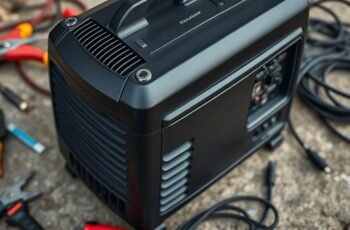
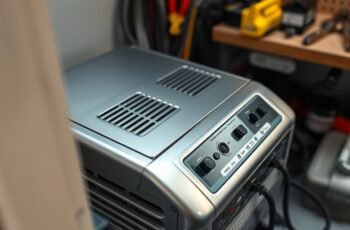
Troubleshooting an inverter generator is like steering through a complex maze, where each component plays a crucial role in ensuring smooth operation. When issues arise, a methodical approach helps pinpoint the root cause, whether it’s fuel quality, electrical connections, or mechanical wear. Understanding these systems is essential to prevent costly downtime. By following a structured process, you can identify faults early and maintain peak performance—yet, some problems require deeper inspection, prompting us to explore what might be hiding beneath the surface.
Key Takeaways
- Check fuel quality, filters, and lines for clogs or leaks to prevent starting and performance issues.
- Measure output voltage and monitor stability during load changes to identify inverter malfunctions.
- Inspect spark plugs, battery connections, and reset buttons to ensure reliable engine starting.
- Conduct regular maintenance, including oil changes and air filter cleaning, to prevent wear and noise problems.
- Seek professional repair if experiencing persistent startup, power, or safety issues, or after equipment damage.
Understanding Common Inverter Generator Problems
Understanding common inverter generator problems is essential for effective troubleshooting and maintenance. These issues often impact fuel efficiency and noise reduction, two critical performance factors. For instance, a decline in fuel efficiency may indicate carburetor or fuel system blockages, leading to inefficient combustion. Excessive noise can result from worn internal components or improper engine load, impairing noise reduction capabilities. Recognizing symptoms such as irregular engine operation, increased fuel consumption, or elevated sound levels helps pinpoint underlying problems. Addressing these concerns promptly ensures peak performance and longevity. Regular inspection of cooling systems, exhaust components, and engine controls can prevent many common issues. By understanding these typical problems, we can maintain inverter generators that operate efficiently, quietly, and reliably under various conditions.
How to Check the Fuel System and Ensure Proper Fuel Supply
To guarantee the fuel system is functioning properly, we need to systematically inspect each component involved in fuel delivery. First, verify the fuel quality; contaminated or old fuel can impair performance. Second, check the fuel filters for clogs or dirt buildup, as blocked filters restrict flow and reduce efficiency. Third, inspect fuel lines for cracks, leaks, or obstructions that could hinder supply. Fourth, ensure the fuel cap vent is unobstructed, allowing proper airflow. Address any issues found during these steps to maintain a steady, clean fuel supply. Properly functioning fuel filters and high-quality fuel are crucial to prevent engine stalls and secure ideal inverter generator operation. Regular inspections keep your generator running smoothly and extend its lifespan.
Troubleshooting Starting Issues: Battery, Spark, and Reset Buttons
When troubleshooting starting issues in an inverter generator, it’s essential to verify the condition of the battery, spark plug, and reset buttons, as these components directly impact the engine’s ability to initiate combustion. Proper battery maintenance guarantees reliable power flow to the starter system; check for corrosion, loose connections, and voltage levels. Test the spark plug for proper gap, cleanliness, and spark generation, as a faulty spark disrupts ignition. Reset button functionality must be confirmed—ensure it’s fully engaged and not tripped, as this can disable starting circuits. If the reset button is faulty or stuck, it prevents the engine from initiating. Addressing these elements with precise inspection and maintenance optimizes starting reliability and prevents unnecessary downtime.
Diagnosing Power Output and Inverter Malfunctions
We start by measuring the generator’s power output levels to verify they meet specified parameters. Next, we examine the control panel and error codes to identify any inverter malfunctions. This systematic approach helps us pinpoint issues quickly and accurately.
Checking Power Output Levels
Accurate assessment of an inverter generator’s power output is essential for diagnosing operational issues, particularly related to power fluctuation and voltage stability. To evaluate, we recommend these steps:
- Use a digital multimeter to measure output voltage at the outlets, ensuring it remains within manufacturer specifications.
- Monitor for power fluctuation during load changes, noting any irregular voltage spikes or drops.
- Check for consistent frequency stability, as fluctuations can indicate inverter malfunctions.
- Record readings over several minutes to identify patterns or transient issues impacting voltage stability.
These actions help pinpoint issues affecting the generator’s ability to deliver stable, reliable power, ensuring proper diagnosis of potential inverter malfunctions affecting overall performance.
Identifying Inverter Errors
After evaluating the power output levels, the next step is to identify specific inverter errors that may cause irregularities. We do this by analyzing inverter error codes displayed on the panel. These codes provide precise diagnostic information, pinpointing malfunctions such as voltage irregularities or overload conditions. Using display panel diagnostics, we interpret error codes to determine the root cause of issues, whether they stem from circuit faults or component failures. Accurate identification of inverter errors enables targeted repairs, preventing further damage. Make sure to consult the generator’s manual for specific error code meanings and troubleshooting steps. Monitoring these codes regularly helps maintain peak inverter performance and extend the lifespan of your generator.
Identifying and Fixing Unusual Noises and Vibrations
Unusual noises and vibrations often originate from specific components such as the engine, cooling fan, or mounting hardware. We should systematically identify these sources and assess their impact on overall operation. Applying vibration damping techniques can effectively reduce these disturbances and prolong generator lifespan.
Common Noise Sources
Identifying the source of unusual noises and vibrations in an inverter generator requires careful inspection, as these symptoms often indicate underlying mechanical or electrical issues. Common noise sources include:
- Loose or worn belts – Can cause squealing or rattling, affecting noise reduction.
- Unsecured panels or components – Vibrations may result from loose covers or mounting brackets.
- Dirty or clogged cooling fans – Excess debris can produce grinding sounds and overheating.
- Engine misalignment – Leads to irregular vibrations and increased noise levels.
Effective generator maintenance can pinpoint these issues early, ensuring noise reduction and prolonging equipment lifespan. Recognizing these sources allows targeted repairs, minimizing disruptions and maintaining optimal performance.
Vibration Damping Techniques
Addressing vibrations and noise in an inverter generator involves implementing effective damping techniques to minimize their impact. Proper use of anti vibration mounts and damping pads absorbs oscillations, reducing transmitted vibrations and noise. Install anti vibration mounts at engine mounting points to isolate vibrations, preventing structural transfer. Damping pads placed beneath the generator foundation further dampen residual vibrations, stabilizing operation. Selecting appropriate materials ensures durability and peak performance. Regular inspection of mounts and pads is essential for maintaining their effectiveness.
| Technique | Application | Benefits |
|---|---|---|
| Anti vibration mounts | Engine mounting points | Isolates vibrations, reduces noise |
| Damping pads | Under generator base | Absorbs residual vibrations, stabilizes |
| Inspection & replacement | Routine maintenance | Maintains damping effectiveness |
Inspecting and Replacing Worn or Faulty Spark Plugs
When inspecting spark plugs in an inverter generator, it’s essential to examine their condition carefully, as worn or faulty plugs can cause misfires, poor engine performance, or starting issues. Proper spark plug inspection ensures the ignition system functions optimally. Here are critical signs to watch for:
- Carbon fouling – indicates excessive fuel or oil combustion.
- Electrode wear – leads to weak sparks and misfires.
- Cracks or damage – compromise electrical conductivity.
- Deposits or corrosion – hinder spark efficiency.
Replacing faulty spark plugs restores the ignition system’s reliability and ensures efficient operation. Always select the correct plug type and gap, and perform regular inspections to prevent engine trouble and maintain optimal performance.
Managing Circuit Breakers, Fuses, and Overload Protection
Managing circuit breakers, fuses, and overload protection is vital to guarantee the safe and reliable operation of an inverter generator. When an overload occurs, the circuit breaker trips or a fuse blows to prevent damage. Resetting a circuit breaker involves turning it fully off, then back on after addressing the overload. If a fuse blows, it requires fuse replacement with one of the correct amperage rating to restore functionality. Always identify the cause of the overload before resetting or replacing components to prevent recurring issues. Proper management of these protective devices ensures the generator operates within safe electrical limits, reducing the risk of component failure. Regular inspection of circuit breakers and fuses is imperative for early detection of potential problems, maintaining overall system integrity.
Maintaining Your Generator for Reliable Performance
Regular maintenance is essential to guarantee your inverter generator delivers consistent, reliable performance. A well-planned maintenance schedule optimizes fuel efficiency and prevents unexpected breakdowns. To ensure peak operation, consider these critical steps:
- Regular oil changes to reduce engine wear and maintain optimal fuel consumption.
- Cleaning or replacing air filters to improve combustion efficiency.
- Inspecting and tightening electrical connections to prevent overloads and ensure stable output.
- Checking fuel lines and tank for leaks or deposits to sustain fuel efficiency and avoid system failures.
Adhering strictly to these procedures prolongs your generator’s lifespan and guarantees dependable operation when you need it most. Consistent maintenance minimizes downtime, maximizes performance, and ensures your generator remains a reliable power source.
When to Seek Professional Repair Services
Although inverter generators are generally reliable, certain issues require the expertise of a professional technician to diagnose and resolve effectively. If you notice persistent problems with generator maintenance, declining fuel efficiency, or unusual noises, it’s time to seek expert help. Attempting repairs without proper knowledge can worsen the issue or cause safety hazards.
Consider this emotional impact:
| Situation | Potential Risk | Action to Take |
|---|---|---|
| Sudden loss of power | Equipment damage | Consult a licensed technician |
| Unusual fuel consumption | Increased operational costs | Schedule professional inspection |
| Overheating or strange noises | Safety hazard | Seek professional repair |
| Persistent startup or charging issues | Long-term damage | Contact an authorized service center |
Frequently Asked Questions
How Often Should I Perform Maintenance on My Inverter Generator?
We recommend performing maintenance on your inverter generator every 50-60 hours of use to guarantee fuel efficiency and maintain low noise levels. Regular checks assure peak performance, preventing issues and extending your generator’s lifespan.
What Safety Precautions Should I Take During Troubleshooting?
We tread carefully like a tightrope walker, prioritizing fire safety and electrical hazard awareness. Always disconnect power, wear protective gear, and guarantee proper ventilation to prevent accidents during troubleshooting. Safety is our guiding principle in this technical dance.
Can Environmental Conditions Affect Inverter Generator Performance?
Environmental factors, such as temperature, humidity, and altitude, can markedly impact inverter generator performance. These conditions influence cooling efficiency, fuel combustion, and airflow, leading to potential performance degradation or operational issues if not properly managed.
How Do I Store My Generator During Long Periods of Inactivity?
We store our inverter generator in a cool, dry place, ensuring fuel stabilization and disconnecting the battery for preservation. Regularly inspecting and maintaining these components prevents degradation, ensuring peak performance when reactivated after long inactivity.
Are There Specific Tools Recommended for Inverter Generator Repairs?
We recommend using diagnostic tools like multimeters and oscilloscopes for precise inverter generator repairs, along with repair kits containing essential parts. These tools help us identify issues accurately and guarantee effective, safe repairs during troubleshooting.
Conclusion
Think of troubleshooting your inverter generator as tending a finely tuned engine—each component is a crucial gear. When one falters, the entire system risks stalling. By systematically inspecting fuel, ignition, and output, we guarantee smooth operation. Regular maintenance acts as routine oil changes, preserving performance. If issues persist despite careful checks, seeking professional repair is like calling in a skilled mechanic—necessary for keeping your generator running reliably when it matters most.