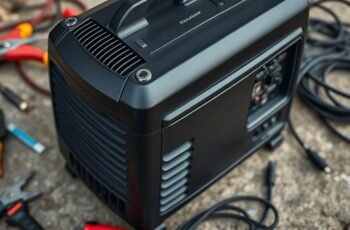
Maintaining an inverter generator in ideal condition requires a systematic approach to inspection, cleaning, and proper storage. Consistent attention to components like filters, spark plugs, and fuel systems guarantees reliable performance and longevity. However, understanding the specific procedures and timing for these tasks is essential to avoid costly repairs or downtime. Exploring best practices and troubleshooting techniques can help you keep your equipment operational and safe over its lifespan.
Key Takeaways
- Perform regular cleaning and inspections of filters, spark plugs, and fuel system components to prevent buildup and ensure optimal performance.
- Store the generator in a cool, dry place, use fresh fuel with stabilizers, and disconnect the battery during long-term storage.
- Monitor for signs of wear like unusual noises, vibrations, or reduced power, and address issues promptly.
- Operate within recommended load levels, avoid overloads, and ensure proper ventilation to extend lifespan.
- Conduct routine safety checks, keep cooling vents clean, and store the generator properly when not in use.
How to Perform Regular Maintenance on Your Inverter Generator
Regular upkeep is essential to guarantee the reliable performance and longevity of your inverter generator. Consistent checks help optimize generator noise levels, ensuring quieter operation, and improve fuel efficiency. Start by inspecting and cleaning air filters to prevent clogging, which directly impacts engine load and noise output. Regularly check the spark plug and replace it if necessary to maintain efficient combustion, reducing excess fuel consumption. Keep the fuel system clean by draining old fuel and inspecting fuel lines for leaks or blockages, which can cause irregular operation and increased noise. Monitoring oil levels and changing oil at recommended intervals ensures smooth engine function, contributing to fuel efficiency. Proper maintenance minimizes unnecessary engine strain, reduces generator noise, and maximizes operational lifespan.
The Best Practices for Storing Your Inverter Generator Properly
Proper storage is essential to maintaining your inverter generator’s performance and extending its lifespan. When storing, ensure the unit is in a cool, dry, well-ventilated area to prevent corrosion and deterioration. Disconnect the battery and drain fuel to avoid leaks or gum formation, which can compromise energy efficiency. Cover the generator with a breathable material to minimize dust accumulation, which may hinder peak operation. Position the generator away from living spaces to reduce noise levels during inactivity, supporting noise reduction. Regularly inspect stored units for signs of corrosion or damage, and perform periodic startup tests to maintain operational readiness. These practices help preserve the generator’s energy efficiency and noise-reducing features, ensuring reliable performance when needed.
How to Troubleshoot Common Inverter Generator Issues
To troubleshoot inverter generator issues effectively, we start by verifying the power supply to guarantee proper voltage and connection integrity. Next, we inspect the spark plug for fouling or wear, which can impair ignition. Finally, we examine fuel system components for clogs or leaks that could disrupt operation.
Checking Power Supply Properly
When troubleshooting inverter generator power supply issues, it’s essential to systematically verify each component of the electrical circuit. We start by evaluating the power flow from the generator to the load, ensuring there are no interruptions or disconnections. Check that the voltage regulation system maintains consistent output within specified parameters, as fluctuations can cause operational issues. Use a multimeter to measure voltage at different points, confirming proper regulation and identifying potential weak links. Inspect wiring connections for corrosion, looseness, or damage that could impede power transfer. Confirm that circuit breakers or protective devices haven’t tripped or malfunctioned. Accurate diagnosis depends on verifying steady power flow and proper voltage regulation, which are critical for stable generator operation and preventing further electrical faults.
Inspecting Spark Plug Condition
After verifying the power supply and confirming stable voltage regulation, the next step involves inspecting the spark plug, a critical component for engine ignition. Begin by removing the spark plug carefully, then conduct an electrode inspection. Look for signs of fouling, wear, or deposits that could impede proper ignition. If the electrode appears worn or damaged, spark plug replacement is necessary to maintain peak performance. Check the gap between the electrodes with a feeler gauge, ensuring it matches the manufacturer’s specifications; improper gap can cause misfiring or starting issues. Clean the electrode with a wire brush if it’s carbonized but still in good condition. Replace the spark plug if corrosion or damage is evident or if cleaning doesn’t restore proper function. This procedure ensures reliable engine start-up and efficient operation.
Examining Fuel System Components
Examining fuel system components is vital for diagnosing and resolving common inverter generator issues. A clogged fuel filter or a failing fuel pump can disrupt fuel flow, causing starting problems or poor performance. First, inspect the fuel filter for debris or clogs, replacing it if necessary to guarantee unobstructed fuel delivery. Next, test the fuel pump’s operation; listen for a consistent humming sound or use a multimeter to check its electrical function. Additionally, verify fuel lines for cracks or leaks that could impair fuel flow. Finally, confirm the fuel tank contains clean, fresh fuel to prevent sediment buildup. Regular maintenance of these components helps maintain ideal generator performance and prevents costly repairs. Proper troubleshooting of the fuel system is vital for reliable operation.
Tips for Extending the Lifespan of Your Inverter Generator
To maximize the lifespan of your inverter generator, consistent maintenance and proper operating practices are essential. Implementing eco-friendly operation, such as avoiding overloads and running the generator at ideal load levels, minimizes stress on internal components. This approach reduces wear and enhances efficiency over time. Additionally, adopting noise reduction techniques—like proper muffler maintenance and installing sound-dampening accessories—can decrease operational strain, indirectly extending the generator’s lifespan. Ensuring correct ventilation and avoiding prolonged idling also contribute to longevity. Regularly monitoring oil levels and fuel quality supports stable operation. By integrating these practices, you promote a more durable, environmentally conscious, and quieter generator, ultimately maximizing performance and prolonging service life.
Cleaning and Inspecting Your Generator for Optimal Performance
Regular cleaning and inspection are critical for maintaining ideal performance of your inverter generator. Regularly removing dust and debris prevents buildup that can increase generator noise and impair airflow, affecting power output. We recommend inspecting the air filters for clogs, checking the cooling vents for obstructions, and examining the spark plug for wear or deposits. These steps help guarantee efficient combustion and smooth operation. Additionally, monitor the generator’s exterior for signs of corrosion or damage, which can impact stability and noise levels. Consistent inspection minimizes unexpected breakdowns and preserves maximum power delivery. By maintaining a clean and well-inspected generator, you enhance performance, reduce noise, and sustain reliable power output in critical moments.
- Clean air filters and cooling vents regularly
- Check for corrosion or physical damage
- Inspect spark plug condition and replace if worn
- Remove dust and debris from outer surfaces
When and How to Change the Oil in Your Inverter Generator
Changing the oil in your inverter generator at appropriate intervals is essential for maintaining ideal engine performance and longevity. Regular oil changes guarantee peak fuel efficiency by reducing internal friction and improving combustion. We recommend checking the oil level before each use and changing the oil when it appears dark or after a specified number of hours, usually every 50-100 hours of operation. Use manufacturer-recommended oil types for best results. Proper oil maintenance also contributes to noise reduction by minimizing engine wear and vibration. To change the oil, drain the old oil from the crankcase, replace the oil filter if applicable, and refill with fresh oil to the specified level. Consistent oil management safeguards your generator’s performance, efficiency, and quiet operation over time.
Understanding Fuel Management for Reliable Operation
Maintaining proper fuel management is essential for consistent inverter generator performance. We recommend using fresh fuel regularly, stabilizing fuel during storage, and cleaning the fuel system periodically to prevent buildup. These practices guarantee reliable operation and extend the lifespan of your generator.
Use Fresh Fuel Regularly
Have you ever experienced starting your inverter generator only to find it runs roughly or stalls shortly after? Using fresh fuel is crucial for peak performance and reliability. Old or degraded fuel can cause carburetor issues, misfires, and engine hesitation. To guarantee consistent operation, we recommend:
- Regularly refilling with high-quality fuel to prevent degradation.
- Properly storing fuel in sealed, approved storage containers to minimize contamination.
- Avoiding prolonged storage of fuel in the generator; use it within 30 days or employ stabilizers.
- Monitoring fuel for signs of contamination or stale odor before use.
Focusing on fuel quality and correct storage practices helps maintain clean combustion and prevents performance issues, ensuring your inverter generator starts reliably and runs smoothly when needed.
Stabilize Fuel During Storage
Why is stabilizing fuel during storage essential for inverter generator reliability? Fuel stabilization prevents degradation and phase separation, ensuring consistent engine performance after periods of inactivity. Proper storage techniques inhibit fuel oxidation and moisture accumulation, which can clog fuel passages and damage components. To achieve best fuel stability, we recommend using fuel stabilizers designed for inverter generators, filling the tank completely to minimize air space, and storing in a cool, dry environment.
| Storage Technique | Purpose |
|---|---|
| Add fuel stabilizer | Prevents oxidation and microbial growth |
| Fill tank completely | Eliminates air space to reduce moisture condensation |
| Store in cool location | Slows chemical degradation and evaporation |
Clean Fuel System Periodically
Regularly cleaning the fuel system is essential to guarantee the inverter generator operates reliably over time. Poor fuel quality can lead to deposits and clogging, while inadequate air filtration may cause contaminants to enter the system. Periodic maintenance ensures maximum fuel flow and combustion efficiency. To maintain a clean fuel system:
- Use high-quality fuel and additives to prevent varnish buildup
- Inspect and replace fuel filters regularly
- Drain and clean carburetors or injectors to remove deposits
- Ensure air filtration systems are functioning correctly to avoid dirt entering the fuel system
Consistent upkeep minimizes the risk of performance issues caused by fuel contamination or degraded components, ensuring reliable operation and extending the lifespan of your inverter generator.
Recognizing Signs of Wear and When to Seek Professional Repairs
Identifying early signs of wear in an inverter generator is essential to maintaining peak performance and preventing costly repairs. We should monitor battery maintenance closely, as declining battery health can lead to starting issues and reduced efficiency. Unusual noises, such as excessive rattling or grinding, often indicate mechanical wear or loose components that require professional inspection. Increased noise levels can also signal issues with the inverter’s internal components or cooling system, affecting noise reduction effectiveness. Additionally, persistent vibrations or reduced power output may point to worn belts or damaged internal parts. Recognizing these signs early allows us to seek professional repairs before minor issues escalate, ensuring reliable operation and prolonging the lifespan of the generator.
Keeping Your Inverter Generator Safe During Use and Storage
To guarantee your inverter generator remains safe and reliable during operation and storage, it’s essential to follow proper handling procedures. Ensuring outdoor safety involves operating the generator on stable, level surfaces, away from enclosed spaces to prevent carbon monoxide buildup. During use, employ noise reduction techniques such as installing mufflers or sound shields to minimize disturbance. When storing, disconnect the power supply, drain fuel if storing long-term, and keep the unit in a dry, ventilated area. Additionally, protect the generator from extreme temperatures and humidity, which can cause corrosion or damage. Proper handling also includes regular inspections for loose connections or leaks and adhering to manufacturer guidelines for safe operation and storage. These steps preserve functionality and extend the generator’s lifespan.
Frequently Asked Questions
How Often Should I Replace the Spark Plug?
We suggest replacing the spark plug every 100-200 hours of use or annually, whichever comes first. Follow your maintenance schedule and troubleshooting tips to guarantee peak performance and prevent engine misfires or inefficiencies.
What Type of Oil Is Best for My Generator?
We recommend using the manufacturer’s specified oil viscosity, typically 10W-30 or 5W-30, for maximum performance. Follow the maintenance schedule strictly, changing the oil regularly to guarantee engine efficiency and longevity.
Can I Run My Inverter Generator Indoors Safely?
Absolutely not; running your inverter generator indoors is like inviting a silent assassin. Indoor ventilation and carbon monoxide safety are critical, as these gases are deadly. Always operate outdoors in a well-ventilated area to prevent poisoning.
How Do I Prevent Fuel From Degrading Over Time?
To prevent fuel degradation, we stabilize it using fuel stabilizers and employ proper storage techniques, such as keeping the generator in a cool, dry place and draining the fuel before long-term storage, ensuring ideal performance and longevity.
Is It Necessary to Use a Surge Protector?
Absolutely, a surge protector is essential to shield your inverter generator from power surges and electrical hazards. It guarantees ideal electrical safety, preventing damage to sensitive components and maintaining the generator’s longevity and reliable performance.
Conclusion
Maintaining our inverter generators is like tuning a fine instrument—consistent care guarantees peak performance and longevity. By following proper maintenance, storage, and troubleshooting practices, we can prevent costly repairs and extend the lifespan of our equipment. Regular inspections and timely interventions keep the generator running smoothly, much like a well-oiled machine. Staying vigilant and proactive in upkeep guarantees reliable power supply, safeguarding our investment and ensuring readiness whenever we need it most.