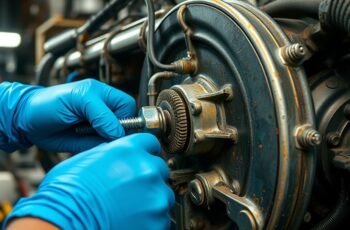
Imagine a small business owner relying on an inverter generator during a critical power outage, only to find it stalls due to overlooked maintenance issues. Proper upkeep is essential to guarantee consistent performance and avoid costly failures. We recognize the importance of precise maintenance routines, from checking fuel and oil levels to safeguarding against corrosion. To help you maximize your generator’s lifespan and reliability, let’s explore the detailed steps necessary for effective upkeep and long-term storage.
Key Takeaways
- Perform regular inspections, checking for wear, corrosion, and loose connections, and address issues promptly.
- Change oil and replace filters periodically to ensure optimal engine performance and fuel efficiency.
- Clean the generator thoroughly before storage, applying anti-corrosion treatments and storing in a dry, ventilated environment.
- Drain residual fuel and disconnect the battery during long-term storage to prevent damage.
- Keep electrical connections clean and secure, and seek professional help for complex troubleshooting or repairs.
How to Perform Routine Maintenance Checks on Your Inverter Generator
Regularly performing maintenance checks on your inverter generator is essential to guarantee its peak performance and longevity. We focus on inspecting fuel systems, ensuring maximum fuel efficiency and preventing blockages that could cause inefficiencies. Regularly replacing air and fuel filters maintains combustion quality, directly impacting noise reduction by minimizing engine strain. Checking spark plugs for wear ensures consistent ignition, promoting smoother operation and lower noise levels. Monitoring oil levels and quality reduces engine friction, enhancing fuel efficiency and reducing noise. Conduct visual inspections for loose bolts or damaged components that could reduce performance. Consistent maintenance prevents build-up of debris, ensuring the inverter runs smoothly and quietly. These precise checks help maintain excellent fuel efficiency and noise reduction, prolonging the generator’s lifespan and ensuring reliable operation.
Properly Storing Your Inverter Generator for Longevity
Proper storage of your inverter generator involves specific steps to guarantee long-term functionality. We recommend cleaning the unit thoroughly before storage, draining the fuel to prevent gum formation, and storing it in a dry, sheltered location. Implementing these measures minimizes corrosion and mechanical issues during periods of inactivity.
Clean Before Storage
Have you ever considered how crucial it is to thoroughly clean your inverter generator before storing it? Proper cleaning guarantees peak performance and extends lifespan. First, inspect and replace the spark plug if worn or fouled to prevent corrosion. Next, perform air filter maintenance by removing and cleaning or replacing the filter to ensure unobstructed airflow. Then, wipe down exterior surfaces with a damp cloth to remove dust and debris, preventing buildup. Finally, check for grease or oil leaks, cleaning affected areas with appropriate solvents. These steps reduce the risk of corrosion and ensure the generator remains in top condition. Proper cleaning before storage minimizes the need for extensive maintenance later, saving time and cost while ensuring reliable operation when needed.
Drain Fuel Properly
To guarantee your inverter generator remains reliable during extended storage, it’s essential to drain the fuel completely. Residual fuel can degrade and clog fuel lines or carburetors, compromising future performance. Use a fuel stabilizer before draining to prevent varnish build-up. Ensure proper ventilation during draining to avoid inhaling harmful fumes. Once drained, run the generator briefly to clear residual fuel from the carburetor. Store fuel in approved containers away from heat sources.
| Step | Action | Consideration |
|---|---|---|
| 1 | Add fuel stabilizer | Enhances fuel stability during storage |
| 2 | Drain fuel completely | Prevents varnish and clogging |
| 3 | Ventilate area | Ensures safe, fumes-free environment |
Store in Dry Area
Storing your inverter generator in a dry, sheltered location is essential to prevent moisture buildup and corrosion that can impair its performance. Proper storage ensures longevity, especially for outdoor power applications and portable units.
To achieve this, consider these steps:
- Choose a covered, well-ventilated area, such as a shed or garage, away from direct exposure to rain and humidity.
- Elevate the unit on a stable surface to prevent ground moisture contact.
- Use a protective cover designed for outdoor equipment to shield against dust and residual moisture.
- Ensure the storage area maintains a consistent temperature to avoid condensation, which can damage sensitive components.
Following these guidelines will preserve your inverter generator’s functionality and readiness for future use.
How to Change Oil and Filters to Keep Your Generator Running Smoothly
Regularly changing the oil and filters is crucial for maintaining ideal performance and extending the lifespan of your inverter generator. Fresh oil reduces internal friction, guaranteeing maximum fuel efficiency and smoother operation. It also prevents sludge buildup that can impair engine components, ultimately supporting noise reduction by minimizing mechanical strain. When replacing oil, use the manufacturer-recommended grade and quantity to ensure proper lubrication. Filters—air and fuel—must be inspected and replaced periodically to prevent contaminants from entering the engine, which can compromise efficiency and cause irregular operation. Proper maintenance of these components ensures the generator runs smoothly, conserving fuel and reducing noise levels. Consistent oil and filter changes are indispensable for reliable performance, especially during long-term or frequent use.
Troubleshooting Common Issues and When to Seek Professional Help
Despite proper maintenance, inverter generators can still encounter operational issues that disrupt performance. Common problems include:
Even well-maintained inverter generators can experience issues that impact performance.
- Inconsistent power output, often due to electrical issues or overloaded circuits.
- Difficult starting, which may relate to fuel system or ignition problems.
- Unusual noises or vibrations indicating mechanical malfunctions.
- Failure to start or sudden shutdowns, potentially caused by electrical faults or low oil levels.
When troubleshooting, it’s essential to identify the root cause accurately. If electrical issues persist or the problem is complex, professional repair is advisable. Attempting repairs beyond basic troubleshooting could void warranty coverage. Recognizing these signs ensures timely intervention, preserving the generator’s efficiency and safeguarding your investment. When in doubt, consult a qualified technician to prevent further damage and maintain peak performance.
Tips for Maintaining Cleanliness and Preventing Corrosion
Maintaining cleanliness and preventing corrosion are essential for ensuring the longevity and reliable performance of your inverter generator. Effective cleaning techniques remove dirt, debris, and moisture that can accelerate corrosion. Regularly wipe surfaces with a dry, lint-free cloth, and use a soft brush for vents and crevices. Apply corrosion prevention treatments, such as anti-corrosion sprays or coatings, especially on metal components exposed to moisture. To emphasize, consider the following:
| Cleaning Techniques | Corrosion Prevention |
|---|---|
| Use compressed air for vents | Apply anti-corrosion sprays |
| Wipe with a damp cloth | Store in a dry, sheltered area |
| Avoid aggressive cleaning agents | Regularly inspect for rust |
| Clean after exposure to moisture | Keep terminals covered |
Consistent maintenance mitigates corrosion risks, ensuring ideal generator performance.
Preparing Your Inverter Generator for Long-Term Storage
Proper long-term storage of your inverter generator requires draining the fuel to prevent gum formation and carburetor damage. We also recommend cleaning and inspecting all components for corrosion or wear, ensuring ideal condition upon future use. Finally, store the generator in a dry, well-ventilated environment to prevent moisture-related issues.
Drain Fuel Properly
Have you considered the risks of leaving fuel in your inverter generator during extended storage? Residual fuel can degrade, causing carburetor clogging and engine damage. To prevent this, follow these steps:
- Drain Fuel: Remove remaining fuel after running the engine to consume fuel in the carburetor, reducing residue buildup.
- Fuel Stabilization: Add fuel stabilizer to any residual fuel before draining to inhibit oxidation and varnish formation.
- Venting Procedures: Ensure proper venting during fuel removal to prevent pressure buildup and facilitate complete drainage.
- Storage Preparation: Store fuel in approved containers away from heat sources, and run the engine briefly after draining to verify no residual fuel remains.
Clean and Inspect Components
Have you confirmed that all visible components are clean and free of debris before storing your inverter generator? Proper component inspection is critical to prevent corrosion and guarantee peak performance. We recommend following strict cleaning routines, focusing on cooling vents, air filters, and electrical connections. Use a damp cloth and appropriate cleaning solutions to remove dirt and grime without damaging sensitive parts. Pay close attention to the spark plug, control panel, and exhaust system for signs of corrosion or buildup. After cleaning, inspect each component for wear, cracks, or loose connections. Address any issues immediately to prevent deterioration during storage. Precise cleaning and thorough inspection safeguard your inverter generator’s longevity and readiness for future use.
Store in Dry Environment
To guarantee your inverter generator remains in ideal condition during long-term storage, it’s essential to store it in a dry environment. Moisture can cause corrosion and compromise internal components, including the battery, which requires proper maintenance. To ensure optimal preservation:
- Store the generator indoors or in a weatherproof, moisture-controlled space.
- Keep it away from direct sunlight to prevent UV damage to plastics and wiring.
- Disconnect and properly store the battery, periodically checking its charge to prevent deterioration, similar to battery maintenance routines for solar panels.
- Ensure the storage area is free from dust and humidity, which can affect engine parts and electrical systems.
This approach maintains the generator’s longevity, preserves critical components, and supports efficient battery and solar panel integration when in use.
Frequently Asked Questions
How Often Should I Replace the Spark Plug in My Inverter Generator?
We recommend spark plug replacement every 100 hours of operation or annually, whichever comes first, as part of our maintenance schedule. Regular spark plug maintenance guarantees peak engine performance and efficiency for your inverter generator.
Can I Use Aftermarket Parts for Repairs on My Inverter Generator?
We can use aftermarket parts for our inverter generator repairs, but we must consider potential warranty concerns. Using non-OEM components might void warranty coverage, so we weigh cost savings against warranty protection before proceeding with aftermarket replacements.
What Is the Ideal Humidity Level for Storing My Inverter Generator?
We recommend maintaining a humidity level of 40-60% in the storage environment. Proper humidity control prevents corrosion and moisture buildup, ensuring the inverter generator remains in ideal condition during extended storage periods.
How Do I Prevent Fuel From Going Stale During Storage?
Think of fuel like a precious elixir—stale fuel can corrode your generator’s heart. We prevent this through fuel stabilization and proper storage ventilation, ensuring fuel stays fresh and your inverter generator remains ready for action.
Is It Safe to Run My Inverter Generator Indoors?
We advise against running inverter generators indoors due to insufficient indoor ventilation, which can lead to dangerous carbon monoxide buildup. Always operate generators outdoors in well-ventilated areas, ensuring safety and proper carbon monoxide safety protocols are followed.
Conclusion
Maintaining our inverter generator is like tending a essential organ—requiring vigilance and care to guarantee its life force remains strong. Regular inspections, proper storage, and timely part replacements act as the heartbeat that sustains peak performance. When we treat it with precision and foresight, we’re not just preserving a machine, but safeguarding a resilient core of power. Through disciplined upkeep, we forge a lasting connection, ensuring reliability when it’s most needed.