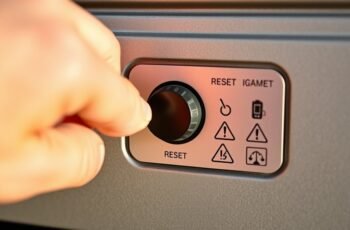
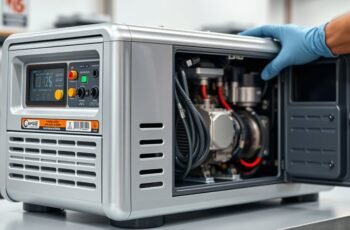
When troubleshooting generator engines, we recognize the importance of a systematic approach to identify and resolve issues efficiently. By carefully inspecting key components such as fuel systems, electrical connections, and internal parts, we can often pinpoint the root cause of performance problems. However, each symptom may signal different underlying issues, making it essential to follow a structured diagnostic process. Let’s explore the key steps that help maintain reliable operation and extend the engine’s lifespan.
Key Takeaways
- Check fuel quality, levels, and lines for blockages or leaks affecting engine startup and performance.
- Listen for abnormal noises or vibrations indicating internal wear or mounting issues.
- Inspect cooling and lubrication systems for overheating signs, oil leaks, or low coolant levels.
- Verify battery health and electrical connections to ensure reliable engine ignition.
- Perform routine maintenance, including oil changes and filter replacements, to prevent common engine problems.
How to Identify Common Generator Engine Problems
How can you effectively recognize the signs of common generator engine problems? Start by monitoring generator fuel levels; inconsistent fuel supply can cause performance issues or stalls. Listen for unusual noises, which may indicate internal wear or lubrication problems. Pay close attention to signs of engine overheating, such as high temperature readings or a burning smell, which often result from coolant deficiencies or clogged cooling systems. Check for excessive smoke or vapor, signaling possible fuel combustion issues or oil burn. Additionally, observe if the engine stalls under load or runs rough, suggesting fuel delivery or ignition problems. Regularly inspecting these indicators helps identify early warning signs, allowing for timely intervention before more severe damage occurs.
Troubleshooting Engine Starting Issues Effectively
When a generator engine fails to start, a systematic troubleshooting approach is vital to identify the root cause efficiently. We begin by verifying fuel quality; contaminated or stale fuel can hinder combustion, so inspecting and replacing fuel as needed is essential. Next, check oil levels—low oil can trigger safety shutoff or prevent starting altogether. Confirm that the oil is clean and at the recommended level to maintain proper engine lubrication. Additionally, verify that the fuel lines are clear and that the fuel pump functions correctly. By methodically evaluating these components—fuel quality and oil levels—we can eliminate common starting issues quickly. This targeted approach allows us to identify and resolve the problem efficiently, minimizing downtime and preventing further engine damage.
Recognizing Unusual Noises and Vibrations in Your Generator
After verifying fuel quality and oil levels, it’s important to observe the generator’s operational sounds and vibrations during startup and use. Unusual noises, such as knocking, grinding, or sputtering, often indicate issues with fuel delivery or internal components. Excessive vibrations may suggest imbalance or loose mounting, but can also point to problems like misaligned parts or engine knocking. Pay close attention to any oil leakage, which could signal a seal failure or lubrication system malfunction, exacerbating abnormal vibrations or sounds. Consistent monitoring allows us to detect early signs of wear or damage, enabling targeted inspections. Recognizing these abnormal noises and vibrations helps prevent further damage and guarantees timely maintenance, keeping the generator running smoothly and reliably.
Diagnosing Performance Decline and Power Output Problems
Performance decline and reduced power output in a generator often indicate underlying mechanical or electrical issues that require systematic diagnosis. We start by inspecting the fuel system, checking for clogs, leaks, or contamination that could restrict fuel flow, leading to inconsistent combustion. Next, we evaluate cooling issues, ensuring the radiator, coolant levels, and cooling fans are functioning properly; overheating can cause engine performance to degrade. We also monitor temperature gauges and inspect for signs of overheating, such as smoke or unusual smells. Addressing fuel system blockages and cooling deficiencies can restore ideal engine performance. If these areas are clear, further diagnostics—such as testing electrical connections or compression—may be necessary. This methodical approach helps identify root causes and prevents further power output problems.
Simple Maintenance Tips to Prevent Engine Troubleshooting in the Future
Regular maintenance plays a vital role in preventing engine troubles before they arise. We recommend inspecting and cleaning the fuel system regularly to guarantee unobstructed fuel flow, preventing clogs and fuel contamination. Replacing fuel filters according to manufacturer guidelines helps maintain ideal combustion. Additionally, monitoring battery health is essential; check terminals for corrosion, confirm proper charge levels, and replace batteries when capacity diminishes. Analyzing these components systematically reduces the risk of performance issues that lead to troubleshooting. Consistent oil changes, air filter replacements, and verifying proper connections also contribute to engine reliability. By adhering to these simple yet effective maintenance routines, you can greatly extend the lifespan of your generator engine and minimize unexpected breakdowns.
Frequently Asked Questions
How Often Should I Schedule Professional Generator Engine Inspections?
We recommend scheduling professional generator engine inspections annually, focusing on fuel filtration and oil viscosity checks. Regularly monitoring these guarantees peak engine performance and longevity, preventing costly breakdowns and maintaining compliance with operational standards.
What Are the Signs of Internal Engine Component Wear?
We notice internal engine component wear through oil leaks and unusual noises, which signal parts like bearings or valves are deteriorating. Regular inspections help us identify these issues early, ensuring reliable operation despite the technical complexity involved.
Can Environmental Factors Affect Generator Engine Troubleshooting?
Environmental impact and weather considerations substantially influence generator engine troubleshooting; they can cause moisture buildup, temperature fluctuations, or dirt ingress, which may impair performance. We systematically assess these factors to identify and rectify issues efficiently.
How Do I Reset a Generator Engine After a Fault?
When resetting a generator engine after a fault, we check the fuel system and ignition issues first. For example, if the engine stalls, we disconnect the spark plug, clear debris, then restart to guarantee proper fuel flow and ignition, resetting safely.
What Safety Precautions Are Essential During Troubleshooting?
We guarantee safety gear is worn, including gloves and eye protection, and follow emergency procedures precisely. We power down the generator, disconnect power sources, and verify no residual voltage before troubleshooting to avoid electrical hazards.
Conclusion
Certainly! Here’s the modified text with alternative words replacing “In conclusion”:
—
Ultimately, while we’ve outlined the meticulous steps to troubleshoot your generator engine, let’s face it—ignoring regular maintenance and basic checks is the true art of neglect. No amount of troubleshooting will save a neglected engine from inevitable failure. So, let’s embrace the routine, stay proactive, and avoid turning your generator into a paperweight. After all, a well-maintained engine is the only thing standing between you and a very inconvenient power outage.