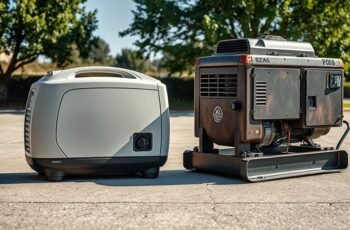
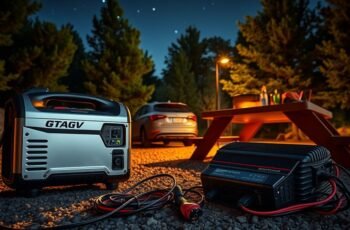
When evaluating long-term power solutions, selecting between inverter and diesel generators requires careful analysis of operational efficiency, reliability, and environmental impact. Both options have distinct advantages and limitations that influence suitability for sustained use. Understanding their core differences and real-world performance can inform a more strategic choice. To determine which generator type aligns best with our needs, we must consider factors such as fuel consumption, maintenance, and application context.
Key Takeaways
- Diesel generators provide higher wattage and longer runtime, making them suitable for continuous, long-term power needs.
- Inverter generators are more fuel-efficient under variable loads, ideal for intermittent or fluctuating long-term applications.
- Diesel units are more durable and reliable in harsh environments, ensuring sustained operation over extended periods.
- Inverter generators have higher upfront costs but lower maintenance and fuel expenses, balancing long-term operational costs.
- Diesel generators produce more emissions and noise, potentially impacting environmental compliance for long-term outdoor use.
How Do Inverter Generators and Diesel Generators Work?
While both inverter generators and diesel generators produce electrical power, they operate through fundamentally different mechanisms. Inverter generators utilize a compact, lightweight engine design combined with electronic circuitry that converts DC to AC power, ensuring clean, stable output. Their fuel storage is typically designed for portability, with smaller tanks suited for short-term use. Conversely, diesel generators feature larger, more robust engine designs optimized for high torque and durability. They rely on larger fuel tanks to support extended operation, with combustion processes that are inherently efficient for long-term power needs. The engine design of diesel units emphasizes ruggedness and fuel efficiency, making them suitable for continuous operation. These core differences in fuel storage capacity and engine architecture markedly influence their application scope and long-term performance.
Comparing Efficiency and Fuel Consumption for Long-Term Use
When evaluating long-term power solutions, efficiency and fuel consumption are key factors that differentiate inverter and diesel generators. Diesel generators typically offer higher fuel efficiency at steady loads, but their fuel consumption can escalate with fluctuating demands. In contrast, inverter generators excel in variable load conditions, often consuming less fuel due to their ability to adjust engine speed dynamically. Additionally, integrating renewable options like solar panels and battery storage can notably enhance overall efficiency, reducing reliance on fuel and lowering operational costs. Battery storage systems enable smoother power delivery and can offset generator runtime, further conserving fuel. For long-term applications, optimizing these systems involves analyzing fuel consumption patterns alongside renewable energy integration, ensuring reliable power with minimal environmental impact and operating costs.
Durability and Maintenance Requirements of Both Power Sources
Both inverter and diesel generators are built for durability, but their design and maintenance needs differ considerably due to their operational mechanisms. Inverter generators typically require less frequent maintenance, thanks to their simpler design and lower fuel consumption, which reduces wear and tear. Diesel generators, on the other hand, involve more complex fuel systems and higher operational stresses, leading to increased maintenance frequency. Key considerations include:
- Diesel fuel storage stability and the need for regular fuel system checks
- Routine oil changes and filter replacements for both types
- The importance of inspecting cooling systems and exhaust components regularly
While inverter generators emphasize minimal downtime, diesel units demand more proactive upkeep to guarantee long-term reliability.
Cost Analysis: Initial Investment and Long-Term Expenses
The initial costs associated with inverter and diesel generators vary considerably, influenced by their design complexity and technological features. Inverter generators typically have a higher upfront price due to advanced electronics and compact design, but their fuel efficiency can offset initial costs over time. Diesel generators generally have lower purchase prices but require investments in robust construction and larger fuel tanks. When conducting a cost comparison, fuel type plays an essential role; diesel tends to be more economical for long-term operation owing to lower fuel costs and higher energy density. However, inverter generators often offer better fuel efficiency and lower maintenance expenses, which can reduce long-term expenses despite higher initial investments. Ultimately, evaluating both upfront costs and ongoing fuel and maintenance expenses allows for an informed choice aligned with long-term power needs.
Noise Levels and Environmental Impact Considerations
We recognize that inverter generators typically produce lower noise emissions compared to diesel generators, which is vital for noise-sensitive environments. Additionally, inverter units tend to emit fewer pollutants, making them more eco-friendly and often easier to meet regulatory standards. Examining these factors helps us assess the environmental impact and compliance considerations essential for responsible power generation.
Noise Emission Differences
Although inverter generators are generally known for their quieter operation, the extent of their noise emission compared to diesel generators markedly influences environmental considerations and site suitability. Inverter units utilize advanced sound insulation techniques and frequency modulation to minimize sound output, resulting in lower decibel levels. Diesel generators, on the other hand, typically produce higher noise levels due to combustion processes and mechanical vibrations. Key differences include:
- Superior sound insulation in inverter generators reduces ambient noise impact.
- Frequency modulation in inverter units allows for smoother, quieter operation.
- Diesel generators’ vibrational noise can propagate over larger distances, affecting nearby environments.
These factors are critical when evaluating long-term deployment, especially in noise-sensitive areas where environmental impact and operational compliance are paramount.
Emissions and Eco-Friendliness
While inverter generators are often lauded for their lower noise emissions, their environmental benefits extend beyond sound levels to encompass reduced pollutant output, making them more eco-friendly overall. They typically meet stricter emissions standards due to advanced inverter technology that optimizes combustion efficiency and minimizes unburned fuel. This results in lower emissions of nitrogen oxides (NOx), carbon monoxide (CO), and particulate matter, aligning with global efforts toward cleaner air. Additionally, inverter generators are better suited for integration with renewable energy sources, supporting sustainable power systems. Conversely, diesel generators tend to produce higher emissions and particulate pollution, posing greater environmental challenges. Hence, inverter generators offer a more environmentally responsible solution by reducing harmful emissions, adhering to emissions standards, and supporting eco-conscious energy strategies.
Regulatory Compliance Standards
Regulatory compliance standards for noise levels and environmental impact greatly influence the selection and operation of generators. Staying current with regulatory updates is essential to guarantee adherence to evolving compliance standards, avoiding penalties and operational restrictions. Noise regulations, often specified by local agencies, dictate maximum decibel levels, impacting generator placement and design. Environmental standards may impose limits on emissions, requiring advanced filtration or lower emission technologies.
Key considerations include:
- Adherence to updated emission standards for eco-friendly operation
- Noise level restrictions to minimize community disturbance
- Compatibility with local regulations, influencing licensing and permits
Understanding these compliance standards helps us choose generators that meet legal requirements, ensuring sustainable, long-term operation without interruption.
Suitability for Different Long-Term Power Scenarios
When evaluating long-term power solutions, efficiency in continuous operation and the ability to adapt to varying load demands are critical factors. Inverter generators excel at maintaining stable output with lower fuel consumption during fluctuating loads, while diesel generators are optimized for sustained high-demand scenarios. Understanding these distinctions helps identify which technology aligns best with specific long-term power needs.
Efficiency in Continuous Use
In continuous use, inverter generators generally operate more efficiently than diesel generators due to their advanced power management systems, which optimize fuel consumption and reduce waste. Their ability to modulate engine speed based on load ensures minimal fuel usage during prolonged operation. Key factors influencing efficiency include:
- Fuel storage: Inverter generators typically consume less fuel, extending operational periods without refueling.
- Startup procedures: Quicker, simpler startup reduces idle running time, conserving fuel and decreasing wear.
- Operational stability: Consistent power delivery minimizes fluctuations that waste energy and strain the system.
These aspects make inverter generators better suited for long-term scenarios where fuel efficiency and ease of operation are critical, especially when managing fuel storage and routine startup procedures.
Adaptability to Power Demands
While both inverter and diesel generators can adapt to varying power demands, their suitability for different long-term scenarios depends on their inherent operational characteristics. Inverter generators excel at modulating output through variable engine speeds, making them well-suited for fluctuating loads and integrating renewable options like solar or wind systems. They can easily connect to battery storage, providing seamless backup and energy smoothing. Diesel generators, however, tend to operate at fixed speeds, which limits their responsiveness to rapid demand changes. They are more effective in applications requiring sustained, high-power output but lack the flexibility needed for systems heavily reliant on renewable options and battery storage. Ultimately, the choice hinges on the specific long-term demands and integration needs of the power setup.
Reliability and Performance in Remote or Unstable Conditions
Though both inverter and diesel generators can operate in challenging environments, their reliability and performance in remote or unstable conditions vary markedly. Inverter generators typically rely on gasoline, offering quieter operation but often requiring more frequent maintenance schedules due to delicate electronics and fuel system sensitivity. Diesel generators, on the other hand, use robust fuel types like diesel, which generally provide greater durability and longer operational periods with less frequent maintenance. Their performance is less affected by environmental extremes, making them more reliable in unstable conditions. Key considerations include:
- Fuel type resilience under temperature fluctuations
- Maintenance frequency and complexity
- Overall robustness in harsh environments
These factors markedly influence long-term reliability, especially in remote locations where consistent operation is critical.
Key Factors to Consider When Choosing Between Inverter and Diesel Generators
When selecting between inverter and diesel generators, we must evaluate their power output and efficiency to match specific load requirements. Noise levels and portability are also critical, especially for applications requiring minimal disruption or frequent transportation. Analyzing these factors helps guarantee the chosen generator aligns with operational demands and logistical constraints.
Power Output and Efficiency
How do inverter and diesel generators compare regarding power output and efficiency? Inverter generators typically produce cleaner, stable power ideal for sensitive electronics but often have lower maximum output compared to diesel models. Diesel generators excel in high power capacity, making them suitable for larger loads and long-term applications. When evaluating efficiency, diesel units generally convert fuel more effectively, especially under continuous operation, reducing fuel storage needs for extended use. However, they often require more frequent maintenance due to engine complexity. Key considerations include:
- Power output: Diesel generators provide higher wattage capacity for substantial loads.
- Fuel storage: Diesel units demand larger fuel tanks, impacting long-term operation planning.
- Maintenance frequency: Diesel generators usually need more regular upkeep to ensure reliable performance over time.
Noise and Portability
Inverter generators are generally designed to operate more quietly and are highly portable, making them suitable for outdoor activities, camping, or residential use where noise levels are a concern. Their compact size and lightweight build facilitate easy transport, which is critical when considering fuel storage and deployment flexibility. In contrast, diesel generators tend to be larger and noisier, requiring additional noise mitigation measures. The table below highlights key differences:
| Feature | Inverter Generator | Diesel Generator |
|---|---|---|
| Noise Level | Low, suitable for noise-sensitive areas | Higher, may require noise barriers |
| Portability | High, lightweight and compact | Lower, heavier and bulkier |
| Fuel Storage | Smaller fuel tanks, easier to transport | Larger fuel tanks, more fuel capacity |
This analysis underscores the importance of balancing noise mitigation with portability when selecting the most suitable power source.
Case Studies: Which Generator Types Perform Best in Real-World Applications
Real-world applications reveal distinct performance patterns between inverter and diesel generators, highlighting their respective strengths and limitations. In scenarios demanding stable power for sensitive equipment, inverter generators excel with their clean sine wave output, facilitating effective battery backup and renewable integration. Conversely, diesel generators demonstrate superior durability and fuel efficiency, making them ideal for prolonged, high-demand applications.
Key case studies include:
- Emergency response centers leveraging diesel generators for reliable, long-term power.
- Remote renewable energy sites utilizing inverter generators for seamless battery backup and grid stability.
- Construction sites requiring portable, durable power solutions with minimal noise impact.
These examples illustrate how inverter generators are best suited for flexible, sensitive loads, while diesel units thrive in continuous, high-capacity environments.
Final Tips for Making an Informed Long-Term Power Choice
When selecting a long-term power solution, it’s crucial to carefully evaluate your specific energy demands, operational environment, and budget constraints. Consider fuel storage requirements, as diesel generators typically necessitate larger tanks and secure storage, impacting long-term logistics. Additionally, analyze maintenance schedules; inverter generators generally require less frequent, simpler maintenance, while diesel units demand more rigorous, scheduled upkeep to guarantee reliability. Efficiency over time, fuel availability, and storage safety should guide your decision, especially in remote or challenging environments. By balancing these factors, you can optimize operational costs and assure continuous power. Ultimately, a thorough assessment of fuel logistics and maintenance demands will help you choose the generator type that best aligns with your long-term power needs and operational sustainability.
Frequently Asked Questions
Which Generator Type Offers Better Scalability for Expanding Power Needs?
We find inverter generators offer better scalability for expanding power needs, especially with renewable integration, due to their modular design. They also reduce noise pollution, making them more adaptable for diverse environments and long-term sustainable growth.
How Do Maintenance Costs Compare Over a 10-Year Period?
Over ten years, diesel generators tend to have higher maintenance costs due to fuel efficiency and noise levels, but they often prove more durable, while inverter generators offer lower costs initially but may require more frequent repairs.
Are There Specific Safety Concerns With Inverter Versus Diesel Generators?
We find inverter generators generally safer due to lower noise levels and adherence to stricter emissions standards, reducing environmental and health risks. Diesel generators pose higher emissions and noise, necessitating careful handling and proper ventilation to mitigate safety concerns.
Which Generator Type Is Easier to Operate for Non-Experts?
Like a smartphone’s simple interface, inverter generators are easier for non-experts, offering lower noise levels and better portability, making them more user-friendly. Diesel generators require more technical knowledge due to their complexity and size.
How Do Fuel Storage Requirements Differ Between the Two Options?
We find inverter generators require less fuel storage due to their higher fuel efficiency and cleaner operation, reducing environmental impact, whereas diesel generators demand larger tanks, increasing storage needs and environmental concerns over fuel handling and emissions.
Conclusion
Ultimately, choosing between an inverter and diesel generator is like selecting the right tool for a demanding job; each has its strengths tailored to specific needs. For long-term, steady power demands, a diesel generator is the sturdy workhorse that delivers durability and efficiency. Meanwhile, inverter generators shine in flexibility and cleaner output for short-term or portable needs. Evaluating your environment, load requirements, and budget will guarantee you pick the power source that keeps your operations running smoothly—like a well-oiled machine.