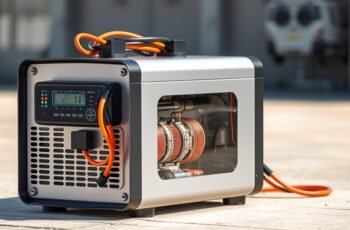
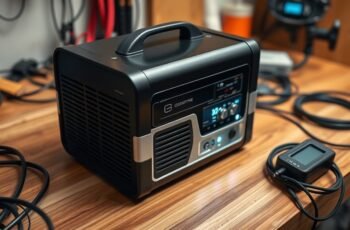
Did you know that selecting the most suitable inverter generator hinges on more than just wattage ratings? Many overlook the importance of understanding startup surges, fuel efficiency, and noise levels—factors critical for reliable, safe operation. Given the variety of models and features available, making an informed choice requires a detailed analysis of your specific power demands and usage scenarios. Let’s explore how to identify the best options tailored to your needs, starting with evaluating your essential devices.
Key Takeaways
- Assess your total power needs by listing all devices’ startup and running wattages.
- Consider portability factors like size, weight, and ease of transportation for your intended use.
- Choose models with inverter technology for clean, stable power suitable for sensitive electronics.
- Evaluate fuel type options—gasoline, propane, or diesel—based on availability, storage, and environmental considerations.
- Prioritize safety features such as circuit breakers, GFCIs, and automatic shutoff to ensure secure operation.
What Are Inverter Generators and How Do They Work?
Have you ever wondered how inverter generators produce clean, stable power suitable for sensitive electronics? They utilize inverter technology, which converts DC power into AC power with precise control. Unlike traditional generators, inverter models often incorporate renewable sources of energy, such as solar or wind, into their design, enhancing sustainability. The core of inverter technology involves rapid digital processing, adjusting engine speed to match power demand, resulting in a consistent sine wave output. This process minimizes harmonic distortion, ensuring electronics receive stable power. By integrating renewable sources, inverter generators can reduce emissions and improve energy efficiency. Overall, their advanced design enables efficient, reliable power production that’s ideal for sensitive devices, making them a smart choice for portable power solutions where stability and sustainability matter.
How to Determine Your Power Needs for Portable Generators
To select the appropriate portable generator, understanding your power requirements is fundamental. Accurately evaluating load demands ensures ideal performance and efficiency. Start by listing essential devices and their wattage, accounting for startup surges. Consider the impact of battery technology, especially if integrating renewable sources like solar panels, which can influence energy storage and consumption patterns.
- Calculate total wattage, including startup surges to avoid overloads
- Prioritize continuous vs. peak power needs for critical devices
- Factor in future expansion or additional loads, considering renewable energy integration
Key Features to Look for When Choosing an Inverter Generator
When selecting an inverter generator, we focus on key features like power output and capacity to guarantee it meets your load demands. We also consider noise levels and portability for practical use in various environments, alongside fuel efficiency and runtime to optimize operational costs. Analyzing these factors helps identify the most suitable model for your specific power needs.
Power Output and Capacity
How much power do you need from your inverter generator? Evaluating your load requirements guarantees ideal capacity for your setup, especially if integrating renewable sources or providing battery backup. Key considerations include continuous wattage and surge capacity to handle startup loads.
- Matching power output to your essential devices prevents overloads and ensures reliable performance.
- Considering future expansion allows for scalability if your energy needs grow.
- Securing stable output quality is crucial for sensitive electronics and for seamless operation with renewable sources and battery backup systems.
Choosing a generator with appropriate capacity guarantees efficiency, minimizes energy waste, and supports stable power delivery for critical applications. Understanding these technical aspects helps enhance your inverter generator’s performance and longevity.
Noise Level and Portability
While selecting an inverter generator, evaluating noise levels and portability is essential for guaranteeing ideal usability and minimal disruption. Noise mitigation techniques, such as sound enclosures and optimized engine design, substantially reduce operational noise, enhancing user comfort and compliance with noise regulations. Portability advantages, including compact size, lightweight construction, and integrated handles or wheels, facilitate effortless transportation across varied environments. These features enable users to deploy the generator in remote sites, outdoor activities, or emergency settings without excessive effort. Prioritizing low noise emissions combined with high portability ensures the generator meets both functional and practical needs, minimizing environmental impact and user fatigue. Ultimately, balancing noise mitigation with portability advantages leads to a more versatile and user-friendly power solution.
Fuel Efficiency and Runtime
Are you maximizing the fuel efficiency and runtime of your inverter generator? Key factors include engine size, load management, and advanced features like battery storage and solar compatibility. These features optimize energy use and extend operation periods, especially during off-grid applications.
- Variable speed technology adjusts engine output based on load, reducing fuel consumption.
- Battery storage integration allows energy backup and enhances runtime during low fuel conditions.
- Solar compatibility enables direct connection to solar panels, decreasing reliance on fuel and increasing eco-friendliness.
Prioritizing these features guarantees your generator operates efficiently, conserving fuel and prolonging runtime, particularly in renewable energy setups. These considerations are vital for optimizing performance in both portable and backup power scenarios.
Which Fuel Type Is Best for Your Inverter Generator?
Selecting the appropriate fuel type for your inverter generator is essential for optimizing performance, efficiency, and convenience. Different fuels impact fuel storage needs and emissions considerations considerably. Gasoline is widely available and offers quick refueling, but it requires careful storage due to its volatility and short shelf life. Propane provides cleaner emissions and longer storage stability, making it ideal for extended use; however, it may necessitate specialized fuel tanks or adapters. Diesel, while less common in inverter models, offers high energy density and minimal emissions when properly managed. Evaluating your usage environment, storage capacity, and environmental regulations helps determine the best fuel type. Ultimately, choosing the right fuel involves balancing fuel storage logistics, emissions impact, and operational efficiency to meet your specific needs.
How Quiet Should Your Inverter Generator Be?
Understanding the noise level of your inverter generator is essential for ensuring it fits seamlessly into your environment and meets your comfort standards. Noise regulations often dictate permissible sound levels, especially in residential areas or camping sites. To evaluate suitability, consider:
- Decibel ratings: Aim for generators operating below 60 dB for minimal disturbance.
- Sound insulation features: Some models incorporate enclosures or mufflers that reduce noise transmission.
- Operational context: Assess whether the generator’s sound output complies with local noise regulations and fits within sound insulation requirements.
Understanding Inverter Generator Runtime and Fuel Efficiency
Maximizing operational efficiency requires a clear grasp of inverter generator runtime and fuel consumption. These metrics directly influence not only performance but also the environmental impact of your generator. Lower fuel consumption extends runtime, reducing emissions and supporting renewable options by minimizing dependency on fossil fuels. Modern inverter generators utilize advanced fuel management systems, optimizing efficiency during variable loads. Understanding the relationship between load size, fuel use, and runtime allows us to select models that balance power needs with ecological considerations. By analyzing fuel efficiency, we can identify units that produce fewer emissions per hour, aligning with sustainable practices. Ultimately, choosing a generator with superior runtime and fuel efficiency helps reduce environmental impact while ensuring reliable power, making it a critical factor in responsible energy management.
Comparing Cost and Performance Across Popular Models
When comparing inverter generators, we focus on price differences relative to overall value, balancing upfront costs with long-term performance. We analyze how power output and efficiency vary across models to identify ideal options for specific needs. This approach guarantees we select generators that deliver maximum performance without unnecessary expenditure.
Price Differences and Value
How do the price differences among popular inverter generators reflect their performance and value? Pricing strategies vary considerably, often aligning with brand reputation and perceived quality. Higher-priced models typically incorporate advanced features, superior durability, and more refined technology, which can justify the premium. Conversely, budget options may prioritize affordability over long-term performance, impacting overall value. It’s vital to assess whether increased costs translate into tangible benefits, such as longer lifespan or enhanced reliability.
- Premium brands often invest in rigorous testing, boosting reliability but raising initial costs.
- Mid-tier models may balance performance with affordability, appealing to cost-conscious buyers.
- Lower-cost options might lack advanced features but still meet essential needs for casual use.
Understanding these distinctions helps us make more informed, value-driven decisions.
Power and Efficiency
Evaluating power output and fuel efficiency across popular inverter generators reveals significant differences that impact overall performance and operational costs. Models with higher wattage capacity provide more reliable battery backup during outages, but often at increased fuel consumption. Efficient units optimize performance by integrating advanced inverter technology, reducing fuel use, and enabling quieter operation. Solar integration capabilities allow generators to supplement power with renewable sources, lowering long-term costs and environmental impact. Some models offer seamless solar compatibility, enhancing efficiency for off-grid applications. Comparing these features, we see that the most cost-effective options balance power demands with fuel efficiency, while also supporting renewable energy integration. This extensive analysis helps users select models that combine performance, sustainability, and economic value.
Tips for Maintaining and Extending the Life of Your Generator
Regular maintenance is essential for maximizing your inverter generator’s lifespan and ensuring reliable performance. Implementing effective maintenance tips not only safeguards your investment but also optimizes operational efficiency, consequently extending lifespan. Key practices include regular oil changes to prevent engine wear, inspecting and replacing air filters to maintain airflow, and ensuring fuel systems are clean to avoid clogs. Additionally, periodic testing and running the generator under load help identify potential issues early.
- Schedule routine oil and filter replacements based on manufacturer recommendations.
- Check and tighten electrical connections periodically to prevent malfunctions.
- Store the generator in a dry, protected environment to prevent corrosion.
Adhering to these maintenance tips ensures consistent performance and prolongs the operational life of your inverter generator, making it a reliable power source when needed.
What Safety Features Should You Prioritize?
When selecting an inverter generator, prioritizing safety features is essential to prevent accidents and guarantee reliable operation. Key safety considerations include electrical safety mechanisms and emergency features that mitigate risks during faults or overloads. Essential features encompass circuit breakers, Ground Fault Circuit Interrupters (GFCIs), and automatic shutoff systems, which protect users from electrical hazards. Emergency features like reset buttons, low-oil shutoffs, and overload indicators provide additional safeguards. Here’s a detailed comparison:
| Safety Feature | Function | Importance |
|---|---|---|
| Circuit Breakers | Interrupt power during faults | Prevent electrical fires |
| GFCIs | Protect against ground faults | Reduce electrocution risk |
| Automatic Shutoff | Power off during overload or low oil | Protect generator and user |
| Reset Buttons | Manually restore power after trip | User control and safety |
| Overload Indicators | Alert overload conditions | Prevent damage and hazards |
How to Select the Right Inverter Generator for Your Specific Use Case
To select the appropriate inverter generator, we begin by accurately evaluating your power requirements, guaranteeing the unit can handle your essential devices without overload. We also consider portability and size, balancing convenience with operational capacity to match your specific use case. This approach ensures an ideal fit between your needs and the generator’s technical specifications.
Power Needs Assessment
How do you determine the appropriate inverter generator size for your specific application? A thorough power needs evaluation requires analyzing both the energy storage requirements and potential renewable integration. Start by listing all essential devices and their startup and running wattages. Consider future expansions, such as additional energy storage systems or solar panels, to ensure scalability.
Key factors include:
- Total continuous load, including surge wattages for motor-start devices
- Compatibility with renewable energy sources for seamless integration
- Capacity to support energy storage systems without overloading
Accurately appraising these factors ensures the generator can handle peak demands while maintaining efficiency. This technical evaluation helps optimize performance, prolong equipment lifespan, and meet both current and future power requirements effectively.
Portability and Size
Selecting the appropriate inverter generator size hinges on evaluating your portability needs and the specific context of use. Travel convenience is a primary factor; lighter, compact models facilitate easier transportation, especially for outdoor activities or remote job sites. Consider storage solutions—smaller units require less space, enabling efficient storage in vehicles, sheds, or tight storage compartments. Larger models, while potentially offering more power, may compromise portability and complicate setup. The design and weight distribution influence ease of handling, which is critical for frequent movers. Accurate assessment of your use case—whether for camping, tailgating, or backup power—guides most suitable size selection, balancing power capacity with portability for seamless deployment and storage.
Frequently Asked Questions
Can Inverter Generators Run on Multiple Fuel Types?
Inverter generators often support multiple fuel types, enhancing fuel compatibility and engine efficiency. This flexibility allows for optimized performance and extended runtime, making them adaptable to various fuel sources depending on the model and design specifications.
How Often Should I Perform Maintenance on My Inverter Generator?
Like tending a garden, we schedule maintenance every 50-100 hours to guarantee ideal fuel efficiency and noise levels, preventing wear and tear. Regular upkeep keeps our inverter generator performing reliably, much like nurturing healthy growth.
Are Inverter Generators Suitable for Long-Term Power Backup?
Inverter generators are suitable for long-term backup due to their fuel efficiency and low noise levels, ensuring reliable, quieter operation over extended periods, which minimizes fuel consumption and environmental impact while maintaining consistent power output.
What Size Inverter Generator Is Best for Camping Trips?
A 1000-2000 watt inverter generator strikes the perfect balance for camping, providing portable power with low noise levels. It’s the sweet spot that keeps gear running smoothly without disturbing the peace or draining your battery.
Do Inverter Generators Require Special Storage Considerations?
Inverter generators require careful storage to maintain fuel efficiency and minimize noise levels, so we recommend storing in a cool, dry place, draining fuel if unused long-term, and ensuring ventilation to prevent moisture buildup and preserve ideal performance.
Conclusion
Choosing the right inverter generator is like fine-tuning an instrument—each detail must harmonize for peak performance. By evaluating your power needs, understanding key features, and prioritizing safety, we guarantee your energy source remains reliable, efficient, and adaptable. Think of it as constructing a sturdy bridge—carefully designed to carry your load smoothly over unpredictable terrain, transforming raw fuel into dependable power that keeps your pursuits uninterrupted and your confidence unshaken.