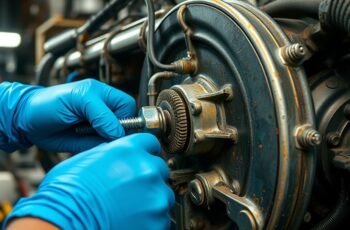
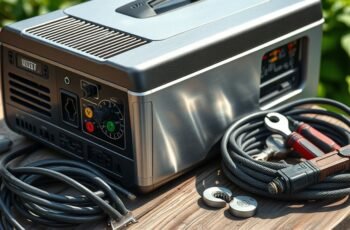
Maintaining a generator requires a systematic approach to guarantee reliable operation and prevent unexpected failures. A thorough maintenance checklist helps us identify early signs of wear, optimize performance, and extend equipment lifespan. By adhering to structured procedures, we can minimize downtime and safety risks. Understanding the key components and routines involved is essential for effective upkeep, but the specifics are critical—so, let’s explore the essential steps to keep your generator running smoothly.
Key Takeaways
- Conduct regular visual inspections of belts, hoses, wiring, and exhaust systems for damage and leaks.
- Check and replace fluids, filters, and cooling components according to manufacturer guidelines.
- Test battery voltage and electrical connections monthly to ensure proper functioning.
- Schedule load tests and preventive repairs based on usage and test results.
- Maintain detailed records of inspections, maintenance activities, and repairs for optimal generator management.
What Is a Generator Maintenance Checklist and Why Is It Important?
A generator maintenance checklist is a detailed, systematically organized document that outlines essential tasks required to guarantee a generator’s reliable operation. It plays a critical role in assuring generator safety by specifying procedures that prevent hazards, such as electrical faults or fuel leaks. Adhering to clearly defined maintenance intervals helps preserve peak performance and reduces the risk of unexpected failures. The checklist emphasizes key activities like inspecting fuel systems, verifying coolant levels, and testing safety devices. Regular adherence to these intervals ensures that maintenance is performed proactively, not reactively. This structured approach enables us to identify potential issues early, enhancing overall safety and reliability. Ultimately, a thorough maintenance checklist is crucial for maintaining generator safety, extending equipment lifespan, and ensuring continuous power supply.
Perform Regular Visual Inspections of Your Generator
Regular visual inspections are essential for detecting early signs of wear or damage that could compromise the generator’s performance. During a visual inspection, we systematically examine key components such as belts, hoses, wiring, and connections for signs of corrosion, fraying, leaks, or discoloration. It’s critical to follow safety precautions, including disconnecting power sources and wearing protective gear, to prevent injury. We look for loose fittings, cracked or damaged parts, and corrosion, which can indicate underlying issues. Maintaining a detailed checklist guarantees no element is overlooked. Consistent visual inspections help identify potential problems before they escalate, minimizing downtime and costly repairs. Incorporating these steps into our routine maintenance enhances the generator’s reliability and operational safety.
Check and Change Fluids and Filters for Optimal Performance
To guarantee ideal generator performance, we must routinely check and replace fluids and filters before they become compromised. Regular inspection of oil, coolant, and fuel ensures maximum lubrication, cooling, and combustion efficiency, directly impacting fuel efficiency. Contamination control is critical; dirty or degraded filters allow particulates and debris to circulate, risking engine damage and reduced output. We should monitor fluid levels and quality, replacing them according to manufacturer specifications or whenever contamination is detected. Filters must be changed promptly to prevent clogging, which hampers flow and diminishes performance. Precise maintenance of fluids and filters minimizes downtime and extends component lifespan, assuring the generator operates reliably under load while maintaining peak fuel efficiency and contamination control.
Test the Battery and Electrical Components Periodically
How often should we test the battery and electrical components to guarantee reliable generator operation? Regular testing is essential for evaluating battery lifespan and securing electrical system integrity. We recommend testing the battery voltage and current output monthly, especially before peak usage periods, to detect potential issues early. Electrical troubleshooting involves inspecting connections for corrosion, tightness, and signs of wear, which can compromise performance. Conducting voltage drop tests across wiring and terminals helps identify grounding or connection faults. Maintaining precise records of these tests aids in predicting component failures and scheduling timely replacements. Routine electrical testing minimizes unexpected outages, prolongs battery lifespan, and ensures safe, reliable generator operation. Consistent, technical checks are vital for ideal performance and early detection of electrical faults.
Inspect and Maintain the Exhaust System and Cooling System
We start by inspecting the exhaust system for leaks that could compromise safety and efficiency. Next, we examine the cooling fins for dirt and damage to guarantee proper heat dissipation. Finally, we replace any worn components to maintain ideal operation and prevent overheating.
Check Exhaust Leakages
Inspecting for exhaust leakages is essential to guarantee the generator operates safely and efficiently. We start by examining the exhaust pipe for visible signs of damage, corrosion, or loose fittings. Leak detection involves listening for unusual hissing or exhaust sounds near the exhaust system, which could indicate a leak. We also inspect joints and connections for signs of soot or carbon buildup, as these suggest leaks. Using a smoke test or soapy water solution can help identify small leaks that aren’t immediately visible. Ensuring the exhaust pipe is sealed properly and free of cracks prevents harmful gases from escaping into the environment. Regular leak detection and proactive repair maintain ideal exhaust system performance and safety.
Inspect Cooling Fins
Are the cooling fins free of debris and corrosion? Regular inspection of the cooling fins is vital for maximum airflow and heat dissipation. Obstructions caused by dirt, debris, or corrosion can considerably impair cooling system efficiency. To guarantee proper function, we recommend:
- Visually inspecting each fin for physical damage or buildup
- Removing debris carefully without damaging fins
- Checking for corrosion and applying appropriate treatments if necessary
Cooling fins should be clean and unobstructed to prevent airflow obstruction, which can lead to overheating. Ensuring fins are intact and free of corrosion maintains thermal transfer efficiency. Neglecting this inspection can result in reduced generator performance and increased wear on cooling components. Regular maintenance of the cooling fins is critical for reliable operation and longevity of the generator.
Replace Worn Components
Worn components within the exhaust and cooling systems can considerably impair generator performance and safety. To maintain peak operation, we focus on replacing worn components promptly, guaranteeing systems function efficiently. Inspect exhaust piping, mufflers, and cooling fins for corrosion, cracks, or deterioration. When signs of wear are evident, replacing worn components prevents exhaust leaks and overheating risks. Upgrading system parts with modern, high-quality alternatives can extend lifespan and improve reliability. For instance, upgrading exhaust manifolds or coolant hoses to more durable materials enhances system resilience. Regularly replacing worn components minimizes downtime and maintains compliance with safety standards. This proactive approach ensures the generator operates smoothly, with minimized risk of failure due to degraded parts.
Schedule Routine Load Testing and Preventive Repairs
Scheduling routine load tests at appropriate intervals guarantees the generator operates reliably under full load conditions. Preventive repairs should be coordinated with test results to minimize downtime and extend equipment lifespan. Accurate timing and proactive maintenance are essential for maintaining ideal generator performance.
Timing of Load Tests
To guarantee reliable generator performance, it’s vital to establish an appropriate timing for load tests and preventive repairs. Proper maintenance timing ensures equipment remains operational during outages and prevents unexpected failures. Effective scheduling hinges on understanding load testing intervals, manufacturer recommendations, and operational demands.
Key considerations include:
- Conduct load testing at regular intervals based on usage and manufacturer guidelines
- Schedule maintenance before anticipated peak demand periods
- Adjust testing frequency after major repairs or modifications
Adhering to a disciplined maintenance timing schedule minimizes downtime and extends equipment lifespan. Precise load testing intervals verify generator capacity and identify potential issues early. Consistent, well-timed load testing and preventive repairs are essential for maximum generator reliability.
Preventive Repair Scheduling
Establishing a routine for load testing and preventive repairs is essential to maintain generator reliability and mitigate unexpected failures. Scheduled preventive repairs help identify component wear and optimize generator fuel efficiency, guaranteeing consistent performance under load conditions. Regular load testing verifies operational readiness, allowing us to detect issues before an emergency arises. By adhering to a strict repair schedule, we minimize downtime and extend equipment lifespan, crucial for effective emergency preparedness. Proper timing of maintenance activities also prevents fuel inefficiencies caused by degraded parts or improper calibration. Implementing a systematic preventive repair schedule ensures our generator remains responsive and reliable, reducing operational costs and enhancing readiness for unforeseen power demands. This disciplined approach is indispensable for sustaining continuous power supply and operational resilience.
Keep Detailed Records of Maintenance Activities and Service History
Maintaining detailed records of maintenance activities and service history is essential for guaranteeing the reliable operation of your generator. Proper maintenance documentation enables precise tracking of all service events, facilitating timely interventions and minimizing downtime. Accurate records should include dates, performed tasks, parts replaced, and technician notes. This data supports troubleshooting by providing a thorough service history, which helps identify recurring issues and optimize maintenance schedules.
Keeping detailed maintenance records ensures reliable generator operation and helps identify issues early.
- Keep a centralized log of all maintenance activities and inspections
- Record parts and fluids replaced, with serial or batch numbers
- Document technician findings and recommendations for future actions
Effective service history tracking ensures maintenance consistency, aids compliance, and extends your generator’s lifespan by enabling data-driven decision-making.
Frequently Asked Questions
How Often Should I Perform Generator Maintenance?
We recommend performing generator maintenance every 50 to 100 hours of operation to optimize fuel efficiency and control noise levels. Regular checks guarantee components function correctly, preventing unexpected breakdowns and maintaining overall system performance and reliability.
What Are Common Signs of Generator Failure?
We notice generator failure signs through decreased fuel efficiency, unusual noises, and irregular operation, indicating potential mechanical issues. Monitoring noise levels and fuel consumption helps us detect early problems, ensuring timely maintenance and reliable performance.
Can I Perform Maintenance Myself or Need a Professional?
We recommend professional assistance for generator maintenance due to the technical nature and safety risks involved. While some DIY safety measures are possible, complex tasks should be handled by trained technicians to guarantee proper operation and safety compliance.
How Long Do Generator Parts Typically Last Before Needing Replacement?
Generator parts, like engine oil and batteries, typically last 1,000-2,000 hours or 1-2 years, but this varies. Regular checks guarantee peak performance, as engine oil degrades and battery life diminishes over time, necessitating timely replacements.
What Safety Precautions Should I Take During Maintenance?
We prioritize safety by wearing appropriate personal protective equipment, including gloves and eye protection, and guarantee emergency preparedness by disconnecting power sources and following proper lockout/tagout procedures during maintenance to prevent accidents and injuries.
Conclusion
Regular maintenance is essential; it can extend a generator’s lifespan by up to 30% and reduce unexpected failures. By following a thorough checklist, we guarantee reliable operation, safety, and efficiency. Staying proactive with inspections, fluid changes, electrical testing, and record-keeping minimizes downtime and operational costs. Ultimately, consistent upkeep not only safeguards your investment but also guarantees continuous power supply, keeping your operations resilient and efficient.