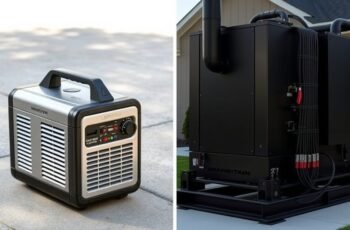
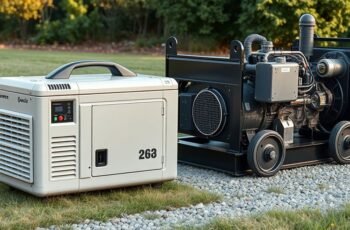
At the crossroads of power solutions, choosing between inverter generators and portable power systems is akin to selecting the right tool for a precise task. Each option embodies distinct operational principles, performance metrics, and practical considerations that can substantially influence their suitability. As we examine their technical differences, we uncover critical insights that can determine the most appropriate choice for your specific needs—yet, understanding these nuances requires careful analysis. Let’s explore how these systems compare and what factors should guide your decision.
Key Takeaways
- Inverter generators provide higher power output and fuel-based operation, ideal for heavy loads and sensitive electronics, while portable power systems rely on batteries for quieter, mobile use.
- Inverter generators produce stable, clean sine-wave power suitable for critical devices, whereas portable systems may have slight voltage fluctuations under high demand.
- Portable power stations like EcoFlow support renewable energy sources and are lightweight, making them better suited for camping and outdoor activities.
- Inverter generators tend to be bulkier, noisier, and more expensive upfront but require less maintenance, while portable systems are compact, low-maintenance, and environmentally friendly.
- Choose based on power needs, portability, noise preferences, renewable compatibility, and intended use scenarios such as camping, emergency, or high-demand applications.
How Do Inverter Generators and Portable Power Stations Work?
While both inverter generators and portable power stations provide portable electricity, they operate through fundamentally different mechanisms. Inverter generators utilize internal combustion engines that drive alternators, converting fuel into electrical energy. Their design allows for high fuel efficiency, especially at variable loads, reducing fuel consumption and emissions. Noise levels are minimized through advanced muffling systems and engine design, making them suitable for quieter environments. Conversely, portable power stations rely on battery technology, typically lithium-ion, storing electricity for direct output without combustion. They produce virtually silent operation, with no engine noise, but their fuel efficiency depends on battery capacity and charging sources. This distinction impacts operational costs and noise considerations, defining their suitability for different applications and environments.
Key Differences in Power Output and Performance
We observe significant variations in power capacity between inverter generators and portable power stations, affecting their suitability for different loads. Output quality consistency is essential, as inverter systems provide cleaner sine waves compared to traditional generators under fluctuating demands. Additionally, performance under load reveals that inverter units maintain stable output during high-demand scenarios, whereas portable power systems may experience voltage drops or reduced efficiency.
Power Capacity Variations
Power capacity is a fundamental factor distinguishing inverter generators from portable power systems, directly affecting their suitability for specific applications. Inverter generators typically provide higher continuous power output, supporting heavier loads with consistent performance, while portable power systems like EcoFlow emphasize modularity and battery longevity. The table below illustrates key differences:
| Feature | Inverter Generator | Portable Power System |
|---|---|---|
| Max Power Output | 2000–3000W | 1000–2000W |
| Battery Longevity | Not applicable | 500–2000 cycles |
| Noise Levels | 50–60 dB | 40–55 dB |
| Power Scalability | Limited | Modular, expandable |
| Runtime | Several hours at full load | Varies with battery size |
Thus, inverter generators excel in high-demand scenarios, whereas portable systems prioritize quieter operation and battery lifespan.
Output Quality Consistency
Ensuring consistent output quality is essential when evaluating inverter generators and portable power systems, as fluctuations can impact the reliability of connected devices. Inverter generators typically produce a stable, sine-wave AC output, minimizing voltage fluctuations and providing cleaner power. Portable power systems like EcoFlow often utilize advanced inverter technology to maintain steady voltage and frequency, ensuring device safety. Noise levels are a critical factor, with inverter generators generally producing louder, more fluctuating sounds during operation, which can affect output stability. Additionally, the environmental impact of sustained fluctuations is notable, as less stable power may lead to inefficiencies and increased emissions. Overall, inverter systems tend to offer superior output quality consistency, making them more suitable for sensitive electronics and environmentally conscious use.
Performance Under Load
When subjected to varying load demands, inverter generators and portable power systems exhibit distinct performance characteristics that considerably impact their reliability and efficiency. Inverter generators typically maintain stable power output under fluctuating loads, with minimal voltage and frequency deviations, which enhances performance consistency. However, their noise levels tend to increase under heavy loads, affecting operational discretion. Portable power systems, like EcoFlow, often deliver consistent wattage but may experience slight drops during high demand, impacting device performance. Fuel efficiency varies considerably: inverter generators optimize fuel use at different loads, but their efficiency diminishes under extreme demands, while portable systems rely on battery capacity, avoiding fuel consumption altogether. These differences influence suitability based on application requirements, balancing power stability, noise levels, and operational costs.
Which Is Better for Camping and Outdoor Adventures?
When choosing between inverter generators and portable power systems for outdoor activities, portability and ease of transport are critical factors. We must also consider power output and runtime to guarantee reliable energy supply during extended trips. Analyzing these technical aspects helps determine which option better suits the demands of camping and outdoor adventures.
Portability and Ease of Transport
Choosing between inverter generators and portable power systems for camping hinges considerably on their portability and ease of transport. Inverter generators tend to be bulkier, with heavier weight and larger footprints, which can hinder mobility. Their traditional engine-based design often results in higher noise levels, making them less ideal for quiet outdoor environments. Conversely, portable power systems like EcoFlow utilize advanced battery technology, markedly reducing weight and size, enhancing portability. These systems are lightweight, compact, and designed for effortless transport, with minimal noise output. The compact form factor of modern portable power stations allows for easy handling and quick setup. Overall, battery technology advancements have made portable power systems more suitable for outdoor adventures, where ease of transport and low noise are critical considerations.
Power Output and Runtime
Power output and runtime are critical factors in determining the suitability of inverter generators and portable power systems for camping and outdoor adventures. Inverter generators typically provide higher continuous power, making them suitable for running larger appliances, but they often have shorter runtimes due to fuel consumption and impact on battery lifespan when used with battery-inverter combos. Portable power systems like EcoFlow units generally offer lower peak power but excel in extended runtimes, especially with high-capacity batteries designed for prolonged use. Noise levels are also a consideration; inverter generators tend to be louder, which can disturb the outdoor environment, whereas portable power systems operate more quietly, preserving the serenity. Ultimately, the choice hinges on balancing power needs, runtime, battery lifespan, and noise preferences.
Evaluating Cost, Portability, and Maintenance Needs
Evaluating the cost, portability, and maintenance requirements of inverter generators and portable power systems reveals significant differences that impact their suitability for various applications.
Cost analysis shows inverter generators typically have higher initial prices but lower long-term fuel and maintenance costs. Portable power systems like EcoFlow units often come with a higher upfront expense but minimal ongoing maintenance.
- Inverter generators require regular oil changes and filter replacements, increasing maintenance needs.
- Portable power systems demand little to no maintenance aside from occasional charging.
- Portability favors lightweight, compact designs—EcoFlow units excel here, while traditional generators tend to be bulkier and heavier.
These factors are essential when selecting a system aligned with budget constraints, ease of use, and long-term reliability.
Real-World Use Cases: When to Choose an Inverter Generator vs. a Portable Power System
Understanding the specific scenarios where inverter generators or portable power systems excel can profoundly influence decision-making. In environments prioritizing renewable energy integration, inverter generators are advantageous due to their ability to supply consistent power with clean sine wave output, essential for sensitive electronic devices. They’re also suitable for construction sites or camping where noise levels must be minimized, as inverter generators typically operate more quietly than traditional models. Conversely, portable power systems like EcoFlow excel in situations requiring high mobility and rapid deployment, especially in off-grid or emergency contexts. They often have lower noise levels and are compatible with renewable energy sources like solar panels, making them ideal for sustainable, quiet, and flexible power solutions. Selecting the right system hinges on weighing these technical considerations against specific use-case demands.
Which Power Solution Fits Your Lifestyle? Making the Right Choice
Choosing the right energy solution depends heavily on your lifestyle, usage patterns, and environmental priorities. If you prioritize renewable energy integration or minimal noise levels, a portable power system like EcoFlow may be ideal due to its quieter operation and adaptability to renewable sources. Conversely, inverter generators might suit situations where high power output and fuel flexibility are necessary. Consider these factors:
- Renewable energy compatibility: Portable systems often support solar charging, reducing environmental impact.
- Noise levels: Portable power systems generally operate more quietly, ideal for camping or residential use.
- Power needs and mobility: Inverter generators provide higher wattage, whereas portable systems excel in portability and ease of use.
Matching these attributes with your specific needs ensures a suitable, environmentally conscious choice.
Frequently Asked Questions
How Long Can Inverter Generators and Portable Power Stations Run Continuously?
Inverter generators typically run 8-12 hours continuously on a tank, depending on fuel efficiency and load, with moderate maintenance required. Portable power stations often operate 6-24 hours, limited by battery capacity, with minimal upkeep needed.
Are Inverter Generators Quieter Than Portable Power Systems?
Inverter generators are generally quieter, with noise levels around 50-60 decibels, compared to portable power systems, which often produce 60-70 decibels. Their superior fuel efficiency also reduces overall noise during extended use.
What Are the Environmental Impacts of Each Power Solution?
We find inverter generators generally have a higher carbon footprint due to fuel combustion, but their fuel efficiency reduces emissions over time. Portable power systems like EcoFlow substantially lower environmental impacts, generating clean energy with minimal emissions and no fuel use.
Can Inverter Generators and Portable Systems Charge Devices Simultaneously?
Inverter generators and portable systems can charge devices simultaneously, optimizing fuel efficiency and maintaining low weight portability. For example, a camper used both to power devices during a trip, demonstrating effective concurrent charging without sacrificing mobility or efficiency.
Which Option Offers Better Surge Power for Sensitive Electronics?
We find inverter generators typically deliver better surge power for sensitive electronics, thanks to their stable, clean energy output. They also maintain lower noise levels and fuel efficiency, making them ideal for delicate device operation and prolonged use.
Conclusion
Choosing between inverter generators and portable power stations is like selecting the right tool for a job—each has its strengths. We’ve seen how inverter generators deliver high power for demanding tasks, while stations excel in quiet, eco-friendly portability. Just as a well-engineered compass guides explorers, understanding your specific needs guarantees you select the most suitable power source. Ultimately, informed decisions lead to reliable, efficient energy solutions tailored to your lifestyle and environment.