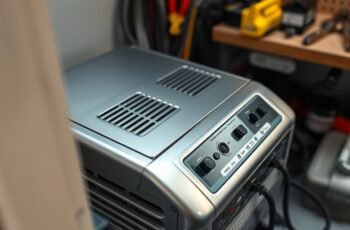
It might feel like your inverter generator is deliberately refusing to start, even when you’ve followed all the usual steps, but in reality, the underlying causes can be more complex and technical than they seem. From fuel degradation to electrical faults, these issues often require precise diagnosis and careful troubleshooting. Understanding what’s preventing your unit from firing up can save time and prevent further damage—yet many owners overlook critical safety and maintenance factors that could be the root of the problem.
Key Takeaways
- Check for fuel system blockages, stale fuel, and ensure the fuel valve is fully open.
- Inspect safety features, reset overload protection, and verify safety switches are properly engaged.
- Test the spark plug for fouling or wear and replace if necessary.
- Examine electrical wiring, fuses, and battery connections for damage or looseness.
- Perform regular maintenance like cleaning the carburetor, replacing filters, and checking oil levels.
Common Reasons an Inverter Generator Won’t Start and How to Identify Them
When an inverter generator fails to start, it’s often due to specific, identifiable issues related to fuel, electrical components, or safety mechanisms. One common cause involves fuel efficiency—if the carburetor is clogged or the fuel is stale, the engine won’t receive proper combustion, preventing startup. Additionally, problems with ignition systems, such as faulty spark plugs or ignition coils, can hinder electrical ignition. Noise reduction features, like mufflers or sound-dampening components, may also interfere if damaged or blocked, affecting engine performance. Electrical safety mechanisms, such as overload protection or safety switches, might prevent starting if triggered or malfunctioning. Diagnosing these issues requires checking fuel quality, inspecting ignition components, and ensuring safety devices are correctly engaged, all critical for reliable startup and efficient operation.
Troubleshooting Fuel and Oil Issues That Prevent Starting
Fuel and oil issues are among the most common causes of an inverter generator failing to start, and diagnosing these problems requires careful inspection. First, check the fuel system for clogs, stale fuel, or leaks that could disrupt fuel delivery. Confirm the fuel valve is fully open and the fuel filter isn’t blocked. Next, verify the oil level; low oil can trigger safety shut-off mechanisms. Make sure that the oil is at the recommended level and is clean—dirty or degraded oil can impair lubrication and engine performance.
- Examine the fuel line for cracks, blockages, or leaks
- Test the fuel quality and replace if stale or contaminated
- Check the oil level and replace if necessary to guarantee proper lubrication
Checking and Resetting the Inverter Generator’s Safety Features
After confirming that the fuel and oil levels are adequate and free of contamination, it’s important to examine the inverter generator’s safety features, as these systems are designed to prevent damage and guarantee safe operation. We start by consulting the user manual, which provides specific instructions for resetting safety protocols such as circuit breakers, overload protection, or low-oil shutoff mechanisms. First, verify that all safety switches are engaged correctly and that there are no tripped circuit breakers. If a safety feature has activated, follow the manual’s recommended reset procedure, which often involves pressing a reset button or switching off and then on the safety device. Ensuring these safety features are reset properly can resolve issues that prevent the generator from starting and protect against potential hazards.
Inspecting the Battery, Spark Plug, and Electrical Components
To guarantee reliable starting performance, we need to carefully inspect the inverter generator’s battery, spark plug, and electrical components. Proper battery maintenance is essential; check for corrosion, tight connections, and voltage levels. If the battery shows signs of wear or low charge, consider replacing or recharging it. Next, examine the spark plug: remove it and inspect for carbon buildup, fouling, or wear. Spark plug replacement may be necessary if the electrode is damaged or excessively worn, ensuring proper ignition. Finally, scrutinize electrical connections, wiring, and fuses for corrosion, loose contacts, or damage. Secure any loose connections and replace damaged components to restore circuit integrity. This detailed inspection helps identify electrical issues that could prevent the generator from starting.
Step-by-Step Guide to Basic Mechanical and Carburetor Troubleshooting
Since mechanical issues and carburetor problems are common causes of an inverter generator failing to start, we need to systematically troubleshoot these components. Begin by inspecting the carburetor for clogs or dirt, which can hinder fuel flow and reduce fuel efficiency. Clean the carburetor thoroughly, ensuring jets are clear and gaskets are intact. Check the mechanical parts, such as the recoil starter and governor linkage, for obstructions or damage. A misaligned or stuck governor can cause inconsistent engine operation, increasing noise and decreasing efficiency. Adjust the throttle linkage if necessary to optimize fuel combustion. Confirm that the air filter is clean, as a clogged filter can impair airflow, reducing fuel efficiency and increasing noise. Proper maintenance of these components guarantees smoother operation and minimizes unnecessary noise.
When to Consider Professional Repairs or Replacement Options
When troubleshooting your inverter generator, there are critical signs that indicate professional repair or replacement may be necessary rather than continued DIY efforts. Increased generator noise or a noticeable decline in fuel efficiency often point to underlying mechanical issues, such as worn internal components or failing valves. Persistent failure to start despite basic troubleshooting suggests deeper system failures, possibly involving the stator, rotor, or electronic control modules. If you observe irregular operation, excessive vibrations, or inconsistent power output, it’s time to seek expert diagnostics. These symptoms can signal significant internal damage that DIY fixes can’t address. Addressing these issues promptly ensures safety, restores peak performance, and prevents further damage that could escalate repair costs.
Preventive Tips to Keep Your Inverter Generator Starting Smoothly
Regular maintenance and mindful operation are essential to guarantee your inverter generator starts reliably and performs at its best. Consistently checking and replacing fuel filters ensures *peak* fuel efficiency, preventing clogs that can hinder starting. Using fresh, stabilized fuel reduces carburetor build-up, promoting smooth ignition. Regularly inspecting spark plugs for wear preserves efficient combustion. Proper ventilation and load management minimize noise levels, contributing to quieter operation and reducing stress on internal components. Keeping the air filters clean enhances airflow, supporting fuel efficiency and reliable starts. Additionally, performing periodic oil changes maintains engine lubrication, preventing overheating or sluggish starts. Adhering to these preventive measures ensures your inverter generator remains responsive, operates quietly, and maintains fuel efficiency, reducing the likelihood of startup issues over time.
Frequently Asked Questions
How Long Can I Leave My Inverter Generator Unused Before It Causes Starting Issues?
We recommend using your inverter generator within 30 days of storage, as fuel system degradation and battery health decline can cause starting issues. Regular maintenance prevents buildup and preserves performance, ensuring reliable startup when needed.
Are There Specific Environmental Conditions That Affect the Starting of Inverter Generators?
Environmental factors, especially temperature sensitivity, profoundly impact inverter generator starting performance. Extreme cold can thicken oil and reduce battery efficiency, while excessive heat may cause overheating, so we recommend storing and operating within recommended temperature ranges for reliable startup.
Can a Dirty Air Filter Prevent My Inverter Generator From Starting?
A dirty air filter can definitely prevent your inverter generator from starting; for example, neglecting air filter maintenance causes airflow restrictions, impairing combustion. Ensuring clean filters and good fuel quality is essential for reliable startup.
What Are the Signs of Internal Engine Damage Affecting Startup?
We notice signs like poor compression, difficulty starting, or misfires, indicating internal combustion issues or compression failure, which suggest internal engine damage. These symptoms point to mechanical defects needing detailed inspection and possibly component repairs or replacements.
Does the Type of Fuel Impact the Starting Reliability of Inverter Generators?
Fuel quality considerably impacts inverter generator reliability, as poor-quality fuel causes engine misfires and starting issues. Engine design also influences starting performance, with some models optimized for specific fuel types to guarantee consistent ignition and operation.
Conclusion
When your inverter generator refuses to start, it’s easy to feel frustrated, but understanding the underlying electrical or mechanical causes can turn chaos into clarity. While basic troubleshooting covers fuel, safety features, and electrical checks, deeper issues may demand professional repair or replacement. By maintaining a routine checkup schedule, you prevent unexpected failures. Remember, a well-maintained generator is less likely to leave you powerless in critical moments—reliability stems from precision, not guesswork.