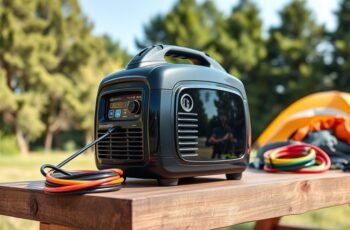
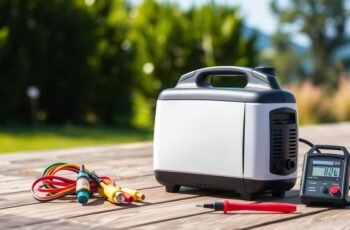
Choosing the right inverter generator for home or camping requires careful consideration of your power needs, portability, and noise levels. We recognize that selecting a model involves balancing performance, features, and budget to guarantee reliable operation. As we explore these factors, you’ll gain insight into making an informed decision that matches your specific circumstances—an essential step before investing in a dependable power solution for your outdoor or backup needs.
Key Takeaways
- Assess your power needs by calculating the total wattage of devices you plan to run simultaneously.
- Choose a generator with advanced inverter technology for stable, clean power suitable for sensitive electronics.
- Consider portability features like weight, size, and handles for camping, versus permanent installation for home backup.
- Prioritize models with noise reduction, eco modes, and safety features for quiet, efficient, and secure operation.
- Opt for reputable brands offering durability, good warranties, and long-term support for reliable performance.
What Are Inverter Generators and How Do They Work?
Inverter generators are a specialized type of portable power source designed to produce clean, stable electricity suitable for sensitive electronic devices. They utilize advanced inverter technology to convert DC power into AC power with consistent voltage and frequency, ensuring minimal waveform distortion. This precision enhances solar compatibility, allowing seamless integration with renewable energy systems. Additionally, inverter generators are engineered for noise reduction, employing sound-dampening components and variable-speed operation that adjusts engine RPM based on load demands. This results in markedly quieter operation compared to traditional generators, making them ideal for home and camping environments. By providing stable, clean power with low noise levels, inverter generators support a broad range of applications, especially when clean energy sources or noise-sensitive situations are involved.
Determining Your Power Needs for Home or Camping Use
To select the right inverter generator for home or camping use, we first need to accurately assess our power requirements. This guarantees efficient operation during power outages or off-grid living situations. Identifying essential devices and their power consumption helps determine the generator’s capacity. Use the table below to categorize typical equipment:
| Device Type | Power Consumption (Watts) |
|---|---|
| Lighting & small appliances | 100-300 |
| Refrigerators, HVAC | 600-1500 |
| Power tools, electronics | 200-1000 |
| Large appliances | 1500+ |
Calculating the total wattage of devices you plan to run simultaneously prevents overloads and assures reliable power supply. Accurate assessment avoids under- or over-sizing, critical for managing power outages or off grid living efficiently.
Key Features to Look for in an Inverter Generator
When choosing an inverter generator, focusing on key features guarantees reliable performance and efficiency. Look for models with advanced inverter technology, which assures stable, clean power suitable for sensitive electronics. Consider units with eco-friendly operation, such as those incorporating fuel efficiency modes and low emissions, supporting renewable energy principles. Noise level is critical for camping, so select generators with low decibel ratings for minimal disturbance. Portability features like lightweight design and ergonomic handles enhance usability in various environments. Additionally, modern units often include smart features like remote start and digital displays for runtime and fuel levels. Prioritizing these features ensures your generator delivers consistent power, aligns with renewable energy practices, and minimizes environmental impact.
Comparing Portable vs. Standby Inverter Generators
While both portable and standby inverter generators deliver reliable power, their design, functionality, and ideal applications differ markedly. Portable units are lightweight, easily transportable, and suitable for outdoor power needs like camping or temporary job sites. Standby generators are permanently installed, integrated with home electrical systems, and provide automatic backup during power outages. They typically operate more quietly and efficiently, supporting renewable energy systems and long-term outdoor power solutions.
Portable and standby inverter generators provide reliable power, with portable units ideal for outdoor use and standby systems for automatic home backup.
- Mobility and size differences influence deployment scenarios
- Power capacity varies considerably between models
- Standby units offer automatic operation and integration
- Portable generators excel in remote or temporary settings
- Both types prioritize clean, stable power for sensitive electronics
How to Choose the Right Size and Wattage for Your Needs
Selecting the appropriate size and wattage for your inverter generator hinges on accurately evaluating your power requirements. We recommend calculating the total starting and running wattages of all devices you intend to operate simultaneously. Consider battery compatibility if you plan to connect the generator with battery storage systems, making sure the inverter can handle the required surge and continuous loads. For those integrating solar power, select a generator with adequate wattage to complement your solar array, enabling efficient hybrid operation. Oversized units may lead to unnecessary energy consumption, while undersized units risk equipment damage or insufficient power. Precise sizing guarantees performance, longevity, and safety, especially when coordinating with solar integration or battery systems. Proper evaluation assures that your generator meets both current and future energy demands efficiently.
Fuel Efficiency and Runtime: What Matters Most?
Fuel efficiency and runtime are critical factors that directly influence the overall cost and practicality of operating an inverter generator. They determine how long the generator can run on a given fuel volume and impact ongoing operational expenses. To maximize efficiency enhancement, consider the following:
- Lower fuel consumption rates at rated load
- Fuel tank capacity relative to expected runtime
- Presence of eco or economy modes for efficiency adjustment
- Engine design for ideal combustion and minimal waste
- Load management to prevent overloading and conserve fuel
Understanding these elements helps guarantee you select a generator that balances performance with fuel economy, reducing both fuel costs and environmental impact. Prioritizing efficiency enhancement ensures reliable power delivery while maintaining cost-effectiveness over extended use.
Noise Levels and Why Quiet Operation Is Important
Noise levels are an essential consideration when choosing an inverter generator, as excessive sound can considerably affect comfort and safety in both home and outdoor environments. Effective sound insulation minimizes noise emissions, ensuring quieter operation. Additionally, vibration reduction techniques, such as resilient mounts and vibration-dampening materials, decrease transmitted vibrations that contribute to noise. These measures enhance overall quietness by limiting the sound generated by mechanical components and engine operation. Lower noise levels not only improve user experience but also reduce disturbances to neighbors and wildlife. Selecting a generator with optimized sound insulation and vibration reduction features ensures a quieter, more efficient power source, making it suitable for sensitive environments and prolonged use without compromising safety or comfort.
Ensuring Clean Power for Sensitive Electronics
To guarantee the safety and proper functioning of sensitive electronics, it’s essential to select an inverter generator that provides clean, stable power. Sensitive devices, such as computers or medical equipment, are vulnerable to power surges and voltage fluctuations. Look for models with true sine wave output, which mimics utility power and minimizes the risk of damage. Features like built-in surge protection help prevent power surges from harming your devices. Additionally, a generator with a reliable battery backup system ensures continuous power during fluctuations or outages.
- True sine wave power output
- Integrated surge protection
- Low Total Harmonic Distortion (THD)
- Stable voltage regulation
- Battery backup compatibility
Budgeting and Finding the Best Value Inverter Generator
When selecting an inverter generator, balancing cost and performance is essential to guarantee you receive the best value without compromising quality. Effective pricing strategies involve comparing initial purchase costs with long-term reliability and fuel efficiency. We recommend evaluating brand reputation, as established brands often provide superior build quality, better warranties, and reliable customer support, which contribute to overall value. While lower-priced models may seem attractive, they can compromise durability and performance, leading to higher maintenance costs over time. Conversely, premium brands typically justify their higher prices through advanced features and proven longevity. To optimize value, prioritize models that align with your power needs, include essential safety features, and have positive user reviews. This approach ensures you make a cost-effective investment that meets your specific requirements.
Tips for Maintaining and Operating Your Inverter Generator Safely
Proper maintenance and safe operation are essential to guarantee your inverter generator performs reliably and lasts over time. Adhering to a strict maintenance schedule prevents unexpected failures and ensures maximum efficiency. Always follow the manufacturer’s safety precautions, including proper grounding and ventilation. Before each use, inspect for leaks, loose connections, and debris. Regularly change the oil and air filter according to the recommended intervals. Use appropriate personal protective equipment when refueling or performing maintenance. Avoid operating the generator in enclosed spaces to prevent carbon monoxide buildup. Keep the unit dry and store it in a secure, clean location. Remember, following safety precautions and maintenance protocols minimizes risks and prolongs your generator’s lifespan. Proper care also guarantees safe and effective power delivery in home or camping environments.
Frequently Asked Questions
Can Inverter Generators Run on Alternative Fuels Like Propane or Solar?
Inverter generators can run on alternative fuel options like propane, offering cleaner emissions and fuel versatility, but solar-powered inverter generators are rare; most rely on batteries recharged via solar, integrating renewable energy for sustainable power solutions.
What Are the Safety Precautions When Using an Inverter Generator Outdoors?
We always guarantee electrical grounding to prevent shock risks and maintain proper ventilation to avoid carbon monoxide buildup, as these precautions are vital for safe outdoor inverter generator use. Stay vigilant, and follow manufacturer safety guidelines diligently.
How Long Do Inverter Generators Typically Last With Regular Maintenance?
With proper maintenance schedules and durability testing, inverter generators typically last 10,000 to 20,000 hours of operation. Regular upkeep and quality components are essential for maximizing lifespan and ensuring consistent performance over years of use.
Are Inverter Generators Suitable for Powering Large Home Appliances?
Inverter generators can power large home appliances if their power capacity matches the appliance’s requirements, but they are primarily designed for appliance compatibility with smaller, sensitive devices; for heavier loads, a more robust generator is recommended.
What Warranties or Support Services Are Available for Inverter Generators?
Think of warranties as a sturdy shield for your inverter generator. We offer extensive coverage like an extended warranty and dedicated customer support, ensuring your investment remains protected and operational, like a reliable lighthouse guiding you through uncertainties.
Conclusion
Choosing the right inverter generator might just be the most critical decision you’ll make for reliable power—rivaling the importance of a heart transplant! With the perfect match, you’ll power your home or campsite effortlessly, avoiding blackouts and silence-breaking outages. Armed with knowledge, you’ll navigate options like a seasoned engineer, ensuring your investment delivers peak performance, unmatched efficiency, and durability. Because in the world of portable power, precision isn’t just important—it’s everything.