If you’re considering inverter generators for portable power needs, understanding their core functions and benefits is essential. These devices offer clean, stable electricity suitable for sensitive electronics while adjusting output based on load, improving efficiency. However, choosing the right model and maintaining it properly can be complex without proper guidance. We’ll explore what makes inverter generators a reliable choice and how to select one that best fits your specific requirements, ensuring you make an informed decision.
Key Takeaways
- Inverter generators produce stable, clean power suitable for sensitive electronics by converting DC to AC with minimal distortion.
- They feature variable speed engines, enhancing fuel efficiency, reducing noise, and supporting renewable energy setups like solar and battery backups.
- Properly assessing your power needs and portability requirements ensures you select a generator that matches your devices and transport needs.
- Regular maintenance, including oil changes and battery checks, extends generator lifespan and ensures reliable startup and operation.
- Fuel options (gasoline, propane, diesel) influence runtime, environmental impact, and storage, so choose based on your eco and operational priorities.
What Are Inverter Generators and How Do They Work?
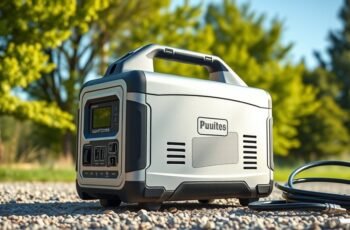
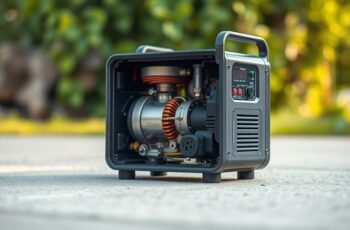
Inverter generators are a specialized type of portable power generator designed to produce clean, stable electricity suitable for sensitive electronic devices. They utilize advanced electronic circuitry to convert DC power into AC power with minimal harmonic distortion, ensuring consistent output. This precise regulation allows inverter generators to support battery backup systems and integrate seamlessly with solar power setups, enhancing energy resilience. Their design includes a variable speed engine that adjusts based on load demand, optimizing fuel efficiency and reducing noise. The inverter’s ability to supply stable power makes these generators ideal for charging batteries during outages or supplementing solar energy systems. Overall, inverter generators balance portability with technical sophistication, making them suitable for both emergency backup and renewable energy applications.
Key Benefits of Using Inverter Generators for Portable Power
The unique design and advanced circuitry of inverter generators translate into several key advantages for portable power needs. Their stable, clean power output supports sensitive electronics, making them ideal for various applications. Additionally, inverter generators offer seamless battery backup integration, guaranteeing continuous power during outages. Solar compatibility further enhances their versatility, allowing for eco-friendly energy sources and reducing fuel dependence. This capability makes inverter generators suitable for remote locations or eco-conscious users. The precise modulation of engine speed optimizes fuel efficiency and noise reduction, benefiting both outdoor and emergency use. Overall, these benefits underscore inverter generators as reliable, adaptable solutions for portable power demands.
| Feature | Benefit |
|---|---|
| Battery backup | Guarantees continuous power during outages |
| Solar compatibility | Supports eco-friendly energy sources |
| Noise and efficiency | Reduces fuel consumption and operational noise |
How to Choose the Right Inverter Generator for Your Needs
To select the appropriate inverter generator, we must first assess your power output needs based on the devices you intend to operate. Next, consider portability and size to guarantee the unit fits your transportation and storage requirements. Balancing these factors allows for an ideal match between your power demands and convenience.
Power Output Requirements
Understanding your power needs is essential when selecting an inverter generator, as it guarantees you choose a unit capable of reliably powering your devices without overloading. Assess your total wattage requirements, including continuous and surge loads, to confirm compatibility. For systems like battery backup and solar integration, consider inverter generators with stable, sine wave outputs to protect sensitive electronics. If you plan to use the generator for extended periods or as part of a renewable energy setup, opt for models with sufficient rated output to accommodate future expansion. Precise power calculations prevent under- or over-specification, optimizing efficiency and longevity. By accurately matching your load demands, you ensure reliable operation and seamless integration with other power sources.
Portability and Size
Selecting an inverter generator that aligns with your portability needs involves evaluating its size, weight, and design. A compact storage solution minimizes space requirements, making transportation and storage more efficient. Opting for a lightweight design reduces physical strain during handling and enhances mobility, especially for outdoor or remote applications. Consider the total weight, including fuel capacity, as it directly impacts transportability. The overall dimensions influence how easily the generator fits into vehicle trunks or storage compartments. Durable, ergonomic handles and a streamlined form factor further improve portability. Precise assessment of these factors ensures the generator meets your specific needs without sacrificing performance, providing reliable power while remaining manageable for transport and storage.
Essential Features to Look for in an Inverter Generator
When selecting an inverter generator, we focus on power output and capacity to guarantee it meets your essential electrical demands. Noise level and portability are equally critical, as they influence usability in various environments. Understanding these features helps you choose a model that balances performance with convenience.
Power Output and Capacity
Power output and capacity are fundamental factors in choosing an inverter generator, as they determine the device’s ability to handle your specific power needs. Accurate assessment of continuous wattage and surge capacity ensures safe operation of connected appliances and tools. Higher capacity models often feature advanced energy storage systems, enabling efficient energy management during peak loads and supporting renewable integration. This capability allows the inverter to supply consistent power while efficiently managing transient demands. Understanding the rated output and surge capacity helps prevent overloads and underscores the generator’s suitability for your application. Precise capacity considerations also aid in planning for future energy storage expansion, making the inverter adaptable to evolving energy needs. Ultimately, selecting the right power output guarantees reliable operation and integration with renewable energy sources.
Noise Level and Portability
Since noise levels and portability directly impact user convenience and environmental comfort, these features are essential considerations when choosing an inverter generator. Noise reduction is achieved through advanced muffler design and inverter technology, resulting in quieter operation suitable for residential or campsite use. When evaluating portability, consider weight, size, and handle design; lightweight models with compact frames are easier to transport. Portability tips include opting for models with built-in wheels or ergonomic handles to facilitate movement, especially during outdoor activities or emergency setups. Precise noise attenuation and thoughtful design enhance user experience by minimizing sound disruption and reducing physical strain. Prioritizing these features guarantees the inverter generator complements both your power needs and mobility requirements effectively.
Comparing Inverter Generator Brands and Models
Choosing the right inverter generator requires a careful comparison of brands and models to guarantee you meet your specific power needs. We evaluate factors such as output capacity, noise levels, and portability to maximize performance. When comparing brands, consider eco-friendly options that minimize emissions and fuel consumption, aligning with environmental standards. Models with luxury features, like remote start or advanced digital displays, enhance user convenience but often come at a higher cost. Reliability, warranty coverage, and customer reviews are essential for evaluating long-term durability. Precise specifications, including inverter technology and power stability, help differentiate models suitable for sensitive electronics. By systematically analyzing these aspects, you can select a generator that balances performance, sustainability, and comfort, guaranteeing it fits your operational demands and lifestyle preferences.
Understanding Fuel Efficiency and Runtime Considerations
Understanding fuel consumption rates is essential for estimating runtime and planning for extended use. We can optimize runtime by managing load and selecting generators with appropriate fuel efficiency ratings. Additionally, the choice of fuel type considerably impacts both efficiency and overall operational costs.
Fuel Consumption Rates
How efficiently an inverter generator uses fuel directly impacts its runtime and overall cost-effectiveness. Fuel consumption rates are primarily determined by the generator’s fuel efficiency, which varies based on load and operational conditions. Understanding consumption patterns helps predict how long a generator can operate on a given fuel amount, essential for planning power needs. Generally, inverter generators with higher fuel efficiency exhibit lower consumption rates under similar loads, reducing refueling frequency and operational costs. Precise measurement of fuel consumption involves analyzing the fuel used over specific runtime intervals at different power levels. Recognizing these patterns allows users to optimize usage, ensuring maximum runtime for critical applications while maintaining cost-effective operation.
Runtime Optimization Tips
To maximize runtime and cost-efficiency, we must focus on optimizing fuel usage based on operational conditions. Proper load management ensures the generator operates at its most effective point, reducing fuel consumption. Integrating battery storage systems can supplement power during peak demand, minimizing generator runtime and conserving fuel. Additionally, solar compatibility enhances efficiency by enabling hybrid operation; solar panels can recharge batteries and reduce reliance on fuel, especially during daylight hours. Maintaining ideal engine conditions, such as regular maintenance and proper airflow, further improves fuel economy. By aligning operational strategies with these technical considerations—battery storage, solar compatibility, and load management—we can extend runtimes, lower fuel costs, and improve overall generator performance.
Fuel Type Impacts
Selecting the right fuel type directly influences a generator’s efficiency and operational runtime. Gasoline, propane, and diesel each offer distinct advantages and considerations. Gasoline provides high energy density but requires careful fuel storage due to rapid degradation and spill risks. Propane delivers cleaner combustion, reducing environmental impact and extending storage life, making it suitable for long-term use. Diesel engines tend to be more fuel-efficient and produce less emissions, but they demand robust fuel storage solutions to prevent contamination and degradation. The choice of fuel impacts not only runtime but also maintenance and environmental footprint. Properly understanding these factors ensures ideal generator performance, minimizes environmental impact, and facilitates safe, long-term fuel storage.
Tips for Maintaining and Extending the Life of Your Inverter Generator
Regular maintenance is essential for guaranteeing your inverter generator operates reliably and preserves peak performance over time. We recommend regularly inspecting and maintaining the battery, ensuring proper battery maintenance to prevent deterioration and guarantee reliable starting. Keep terminals clean and check for corrosion, replacing the battery if necessary. An oil change is equally critical; follow the manufacturer’s guidelines for oil type and change intervals. Regularly check oil levels and replace the oil to prevent engine wear and overheating. Additionally, inspect air filters and spark plugs to maintain efficiency. Consistent attention to these maintenance practices extends the lifespan of your inverter generator, reduces unexpected breakdowns, and guarantees it runs smoothly whenever needed.
Common Mistakes to Avoid When Buying an Inverter Generator
When purchasing an inverter generator, it’s crucial to avoid common pitfalls that can lead to poor performance or wasted investment. One mistake is neglecting to assess power needs accurately, which can cause overloads or inefficiency. Additionally, overlooking battery maintenance requirements may reduce startup reliability. Environmental impact should also guide choices; selecting models with cleaner emissions is wise.
| Mistake | Consequence | Prevention |
|---|---|---|
| Ignoring power requirements | Underperformance or damage | Conduct thorough load assessments |
| Overlooking battery health | Startup failures | Regular battery maintenance |
| Ignoring environmental impact | Higher emissions, penalties | Choose eco-friendly models |
| Neglecting quality features | Reduced durability, efficiency | Prioritize reputable brands and specs |
How to Set Up and Use Your Inverter Generator Safely
Before operating your inverter generator, it’s essential to carefully review the manufacturer’s instructions and safety guidelines to guarantee proper setup. Properly connecting your inverter generator involves ensuring stable ground placement, adequate ventilation, and adherence to load limits. Pay close attention to battery management, especially if your model includes a start-up battery, to maintain ideal performance. Utilize eco friendly features to reduce emissions and fuel consumption, aligning with safety and environmental standards. Always inspect the power cords and outlets for damage before use. When starting, operate in well-ventilated areas to prevent buildup of exhaust gases. Regularly monitor the generator during operation to avoid overloads and ensure consistent power delivery. Proper setup and adherence to these safety practices maximize efficiency and longevity.
Troubleshooting Common Inverter Generator Issues
Have you ever experienced your inverter generator failing to start or deliver stable power? Common issues often stem from inadequate battery maintenance, which can prevent proper ignition or cause power fluctuations. Regularly inspecting and charging the battery guarantees reliable startup and consistent output. Additionally, issues may arise with solar compatibility; if your generator is integrated with solar systems, incompatible voltage or improper wiring can cause operational failures. Confirm that your inverter’s power specifications align with your solar setup, and verify all connections for integrity. Troubleshooting also involves checking for loose cables, testing fuel supply, and ensuring cooling vents aren’t obstructed. Addressing these technical issues systematically will help maintain peak performance and extend your generator’s lifespan.
Frequently Asked Questions
Can Inverter Generators Run Sensitive Electronics Without Damage?
We confirm inverter generators can run sensitive electronics safely, thanks to their stable power output and high power stability, minimizing surges. They also operate quietly, with noise levels generally lower than traditional generators, protecting delicate devices effectively.
Are Inverter Generators Suitable for Emergency Home Backup?
We believe inverter generators are ideal for emergency home backup, providing portable power with fuel efficiency. Their stable, clean energy guarantees your sensitive electronics stay safe, making them a reliable, technical solution during power outages.
How Loud Are Inverter Generators Compared to Traditional Models?
Inverter generators are substantially quieter than traditional models, typically producing noise levels between 50-60 decibels, which is a notable sound comparison showing they operate at a fraction of the noise, ideal for noise-sensitive environments.
Do Inverter Generators Require Special Maintenance or Parts?
Do inverter generators need special maintenance? Not really. They feature fewer moving parts, improving fuel efficiency and noise levels, but regular oil changes, air filter checks, and manufacturer-recommended parts keep them running smoothly and reliably.
Can Inverter Generators Connect in Parallel for More Power?
Yes, inverter generators can connect in parallel for increased power scalability, allowing us to combine their outputs seamlessly. This setup enhances overall capacity without sacrificing efficiency, making it ideal for demanding applications where flexible power options are essential.
Conclusion
Inverter generators are a reliable, efficient power source, especially for sensitive electronics and remote applications. While some believe they’re only for emergencies, their versatility proves otherwise. By understanding their operation, features, and maintenance, we can prolong their lifespan and performance. Proper selection and safe usage guarantee we get the most benefit from these advanced, environmentally friendly generators. Ultimately, investing in the right inverter generator enhances our energy independence and peace of mind.