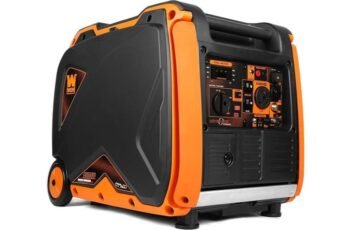
We find the Yamaha EF3000iS a capable portable inverter generator for trips and backup power, with 2,800 running watts and 3,000 starting watts. Its output can support several moderate-demand devices, though you’ll need to check combined wattage and account for motor startup surges. Load-responsive engine speed helps limit noise and fuel use, while runtime reaches up to 19 hours under suitable conditions. It also offers 12-volt battery charging. We’ll cover its features, benefits, and key limitations below.
Key Takeaways
- The Yamaha EF3000iS delivers 2,800 running watts and 3,000 starting watts for moderate household, RV, and recreational loads.
- Check appliance labels and manuals before use; combined running demand above 2,800 watts may exceed its capacity.
- Sound-absorbing materials and automatic engine-speed adjustment help reduce noise and fuel use, though the generator is not silent.
- It runs for up to 19 hours per refueling, depending on load and operating conditions.
- Its 12-volt output can recharge RV, automotive, and marine batteries; weight, dimensions, and price are unspecified.
2,800 Running Watts
The Yamaha EF3000iS supplies 2,800 running watts, providing steady power for devices and appliances within that load. This Continuous power output can support several moderate-demand items at once, provided their combined running wattage stays within the generator’s capacity.
We can estimate each device’s requirements from its label or manual, then add the figures to check the total. Appliance compatibility also depends on startup demand: motors and compressors may briefly require more power when they switch on.
The generator offers 3,000 starting watts for these temporary surges. By prioritizing essential equipment and allowing for startup needs, we can plan a practical load without exceeding its ratings.
Detailed features
Beyond its 2,800-watt running capacity, the Yamaha EF3000iS includes features aimed at quieter, more efficient operation and practical use. For Noise reduction, sound-absorbing material in key locations helps limit resonance, while automatic engine-speed adjustment lowers noise when demand falls.
This same load-matching system supports fuel efficiency by producing power according to what we’re using. The generator can run for up to 19 hours without refueling, depending on operating conditions. By helping prevent stale-gas buildup, its design can also reduce carburetor cleaning and repair needs. We can use its 12-volt charging capability to recharge RV, automotive, and marine batteries.
Pros and Cons
We’ll weigh the EF3000iS’s 2,800 running watts, quiet load-adjusting operation, and up to 19-hour runtime against its limitations. We’ll also consider its 12-volt battery-charging capability and reduced risk of stale-fuel buildup.
This comparison will help you decide whether its advantages outweigh its drawbacks for your needs.
Pros
Although the EF3000iS delivers 2,800 running watts and 3,000 starting watts, its variable engine speed helps keep noise and fuel use down by matching output to demand. Sound-absorbing material in key locations further limits resonance, supporting quiet operation when you’re powering equipment nearby.
We can also appreciate the potential fuel savings: the generator adjusts engine speed to suit the load rather than running at full speed continuously. It can operate for up to 19 hours without refueling, depending on demand.
The EF3000iS also recharges 12-volt batteries for RV, automotive, and marine use, adding practical versatility for trips and backup power.
Cons
The EF3000iS’s listed specifications highlight its output, runtime, and battery-charging capability, but they don’t identify specific drawbacks. We should consequently distinguish confirmed limitations from questions buyers need to investigate.
Its 2,800 running watts may not support several high-demand appliances simultaneously, so we’ll need to compare the load with our equipment’s requirements. The available information doesn’t state the unit’s weight, dimensions, or purchase price, making weight and portability and overall value difficult to assess.
We should check those details before buying, especially if we’ll move the generator often. Noise is also reduced, not eliminated, and actual runtime varies with load.
Concluding thoughts
With 2,800 running watts and 3,000 starting watts, the Yamaha EF3000iS offers practical power for RV, automotive, and marine needs. Its 12-volt charging capability adds useful flexibility when we need to recharge batteries away from home.
Sound-absorbing materials and load-responsive engine speed help limit noise, while automatic adjustment also supports fuel efficiency. With up to 19 hours of operation per tank, we can plan longer outings with fewer refueling stops.
The system also helps prevent stale fuel buildup, reducing carburetor cleaning and repairs. For buyers weighing overall value, its ideal applications are extended trips and dependable battery support, provided its output meets their equipment’s needs.
Frequently Asked Questions
What Types of Appliances Can the EF3000IS Power During an RV Trip?
We can power typical RV essentials—lights, a refrigerator, fans, chargers, and some small kitchen appliances—within 2,800 running watts and 3,000 starting watts. RV appliance capacity depends on each device’s draw; simultaneous device limits matter.
Can the Generator Recharge a 12-Volt Marine Battery?
Yes, we can recharge a 12-volt marine battery with this generator—it’s a useful lifeline on the water. Its 12 Volt Battery Charging supports Marine Battery Compatibility; follow your battery manufacturer’s charging instructions for safe, appropriate charging.
How Does the EF3000IS Help Prevent Stale Fuel Buildup?
We prevent stale fuel buildup by limiting how long gasoline sits in the carburetor, which helps reduce cleaning and repairs. We can also use Fuel Stabilizer and a Carburetor Drain during extended storage for added protection.
What Maintenance Does the EF3000IS Require Between Uses?
Between uses, we should check the oil level and inspect the air filter, cleaning or replacing it if needed. We should also follow Yamaha’s maintenance schedule and store the generator properly to limit fuel-related problems.
Is the EF3000IS Suitable for Use at a Campsite?
Yes, we can use the EF3000iS at a campsite, where its load-adjusting engine helps keep noise down. Follow campsite noise etiquette and campground placement rules; its 2,800 running watts suit many camping needs.
Conclusion
The Yamaha EF3000iS offers 2,800 running watts and 3,000 starting watts, giving us a practical reserve for everyday appliances and startup surges. Its load-responsive engine, sound-dampening design, and claimed run time of up to 19 hours make it a capable companion at home or at camp, though actual performance varies with demand. We also value its 12-volt battery-charging capability and reduced stale-gas buildup. If you need portable, quieter power, this model deserves a close look.